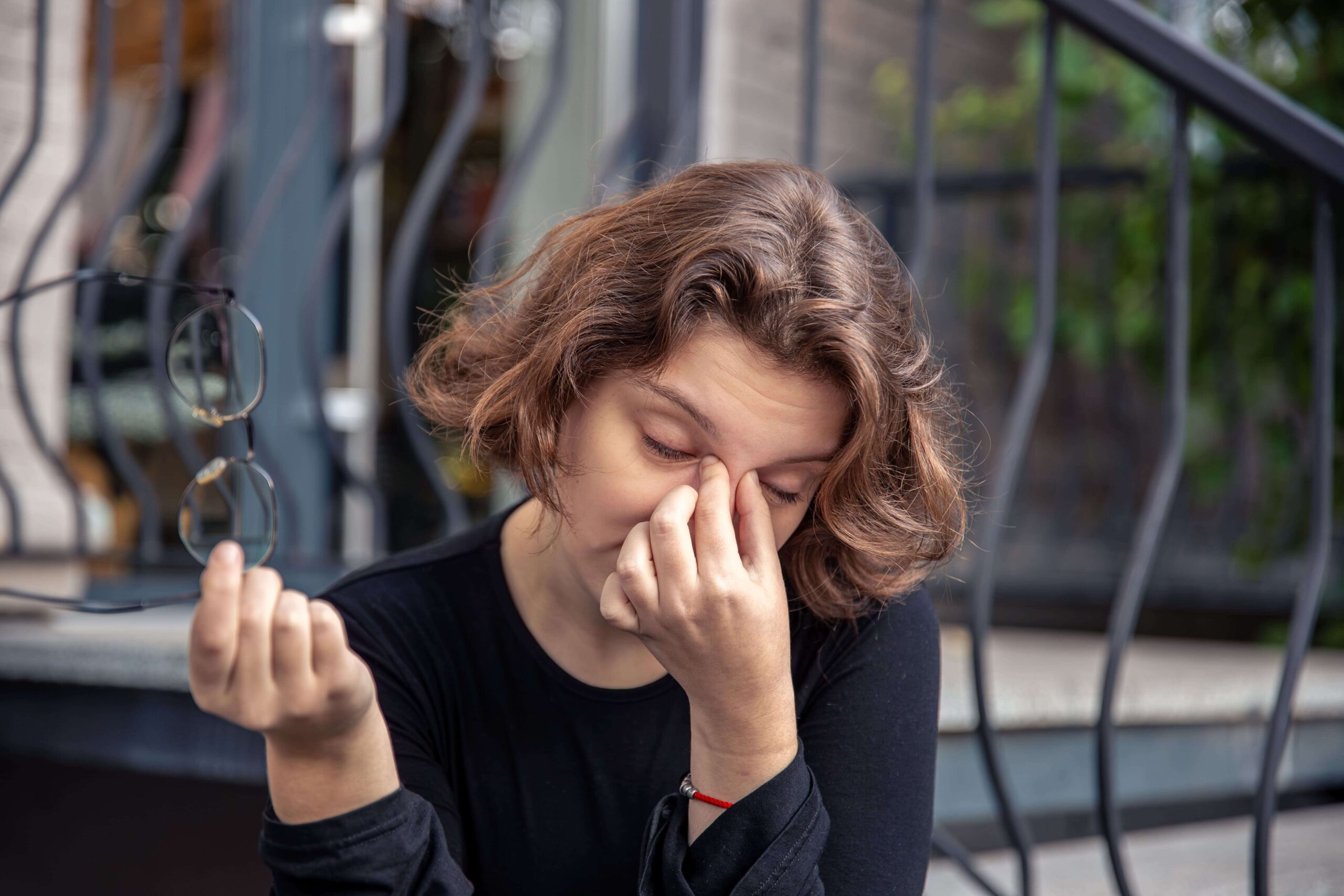
More than 50 million Americans deal with allergic reactions each year, and for most of them, itchy eyes are among the first symptoms to arrive. That relentless urge to rub, the watering, the gritty feeling at the end of a long day, these are not just annoyances. They are signals that something is irritating your eyes, and knowing what that something is changes how you treat it.
Not all itchy eyes are the same. The itch from seasonal allergies feels different from the itch of dry eye, and both feel different from the warning signs of an infection. Getting the cause right means getting the relief right.
The Most Common Causes of Itchy Eyes
Seasonal Allergies
The most familiar cause of itchy, watery eyes is allergic conjunctivitis triggered by airborne allergens: tree pollen, grass pollen, ragweed, and mold spores. When these particles land on the surface of your eye, your immune system releases histamine. That histamine is what creates the itch, the redness, and the watering. Both eyes are almost always affected at the same time, and the itch tends to be intense rather than mild.
The itchy eyes causes here include: watery discharge (not thick or colored), redness in the whites of both eyes, sneezing and a runny nose often accompanying the eye symptoms. If you notice this pattern when pollen counts are high,
the eye allergy page at Eyes On explains how an optometrist can confirm the diagnosis and walk you through the most effective treatment options.
Pet Dander
Pet dander is a year-round allergen, which means itchy eyes allergies tied to cats or dogs do not follow a season. The itch arrives within minutes of exposure and settles quickly once you leave the environment. The mechanism is the same as pollen allergy: histamine release at the eye surface. Symptoms are usually bilateral (both eyes) and come with familiar allergy companions like sneezing and nasal congestion.
Dry Eye
Dry itchy eyes have a different character. The itch tends to be a burning, scratchy sensation rather than the sharp histamine-driven itch of allergies. Dry eye happens when the tear film is not stable enough to keep the eye surface properly coated, either because you are not producing enough tears or because the tears evaporate too quickly.
Risk factors include prolonged screen time, contact lens wear, air conditioning, low humidity environments, and certain medications. Dry eye treatment at Eyes On covers the diagnostic steps and therapies that go beyond over-the-counter drops.
Digital Eye Strain
When you stare at a screen, your blink rate drops by up to 60 percent. Fewer blinks mean the tear film breaks down faster, and the result is dry, itchy, and tired-feeling eyes by mid-afternoon. This is not the same as allergic itching. The itch is mild and diffuse, and it tends to worsen throughout the day rather than arriving suddenly.
Contact Lens Reactions
Contact lenses can cause itchy eyes in several ways. Protein and lipid deposits build up on lenses over time and act as irritants. Some wearers develop sensitivity to contact lens solutions. Wearing lenses longer than recommended traps allergens and bacteria against the eye surface. If your eyes itch specifically while wearing your lenses and settle after you remove them, the lenses are likely involved. Eyes On’s contact lens service can help identify whether your lens type or replacement schedule needs to change.
Blepharitis
Blepharitis is inflammation of the eyelid margins, usually caused by bacteria or a dysfunction of the small oil glands (meibomian glands) along the lid edge. The itch and irritation are localized to the eyelids rather than the eye surface itself. You may notice crusting along the base of the lashes, particularly in the morning, and a greasy or flaky appearance of the lid margins. This condition does not resolve on its own without consistent lid hygiene.
Pink Eye (Conjunctivitis)
Infectious conjunctivitis, whether viral or bacterial, causes itching alongside other symptoms that distinguish it from allergies. Viral pink eye typically produces a watery discharge and often begins in one eye before spreading to the other. Bacterial pink eye produces thicker, yellow-green discharge. Both are contagious. The itch in pink eye is real, but it is not the dominant symptom the way it is with allergic conjunctivitis, and treating it like an allergy will not resolve it.
What Actually Helps (and What Makes It Worse)
What Provides Real Relief
- Cold compress: A clean cloth cooled with cold water placed over closed eyes for 5 to 10 minutes constricts blood vessels and calms the histamine response. It is the fastest non-medication option for allergy-related itch.
- Antihistamine eye drops: Over-the-counter antihistamine eye drops (olopatadine, ketotifen) block histamine receptors directly at the eye surface. They work faster and more effectively for eye allergy relief than oral antihistamines, which take longer to reach ocular tissue. Use as directed and check with your optometrist if symptoms persist.
- Artificial tears: Preservative-free artificial tears dilute and flush allergens and irritants from the eye surface. They are the first-line option for dry itchy eyes and digital strain. Using them before entering a high-allergen environment (outdoors on a high-pollen day) adds a protective barrier.
- Removing contact lenses: If itching starts while wearing lenses, remove them immediately. Rinse your eyes with preservative-free saline or artificial tears. Do not reinsert until the irritation clears.
- Allergy avoidance: Keep windows closed on high-pollen days, shower before bed to remove pollen from hair and skin, and use allergen-proof covers on pillows if you have known allergies.
Why Rubbing Makes Everything Worse
Rubbing your eyes when they itch feels instinctive, but it triggers a cycle that prolongs and worsens symptoms. The mechanical pressure of rubbing causes mast cells in the conjunctiva to degranulate, releasing additional histamine into the eye tissue. That histamine intensifies the itch, which produces the urge to rub again. Each round of rubbing also introduces bacteria from your fingers and can scratch the corneal surface with trapped particles. In people with thin corneas, chronic rubbing has been associated with a condition called keratoconus, where the cornea progressively changes shape. Cold compresses and antihistamine drops break the cycle without that risk.
What Does Not Help
- Redness-relief drops containing vasoconstrictors (tetrahydrozoline): These shrink blood vessels temporarily but do not address the underlying cause. Rebound redness is common with regular use.
- Decongestant oral medications alone: They reduce nasal congestion but have minimal effect on ocular histamine.
- Waiting it out without treatment when symptoms point to infection: Bacterial conjunctivitis needs antibiotic drops; ignoring it delays recovery and risks spreading it.
When to See an Optometrist
Most cases of itchy eyes caused by allergies or mild dry eye can be managed at home. The following situations call for a professional evaluation:
- Discharge that is thick, yellow, or green (possible bacterial infection)
- Vision changes alongside the itch, including blurring, halos, or sensitivity to light
- Pain inside the eye, not just surface irritation
- Symptoms that do not improve after 48 hours of appropriate home treatment
- Itching that affects one eye only and does not follow an allergy pattern
- Lids that are severely swollen, tender, or warm to the touch
A comprehensive eye exam at Eyes On includes a full assessment of tear production, lid health, and the eye surface. Many itchy eye conditions are properly diagnosed only under a slit lamp, where an optometrist can see the anterior segment in detail.
Ready to find out what is behind your itchy eyes? Book an appointment at Eyes On today.
Frequently Asked Questions
Why do my eyes itch more at night?
Two main reasons: first, allergen accumulation over the day (pollen in hair, on pillowcases, on pets that sleep nearby) concentrates exposure at night. Second, the tear film dries out during long periods without blinking, which happens while reading or watching screens in the evening. If the itch is worse specifically after lying down, allergen exposure from bedding is a likely factor.
Can itchy eyes be a sign of something serious?
Most cases are caused by allergies or dry eye and are not serious. However, itching combined with pain, vision changes, significant discharge, or swelling of the eyelids or surrounding tissue warrants prompt evaluation. These can indicate infection, a foreign body in the eye, or inflammatory conditions that need treatment.
What is the difference between itchy eyes from allergies and itchy eyes from infection?
Allergic itching is usually intense, bilateral, and accompanied by watering with clear discharge. Sneezing or nasal symptoms often appear alongside it. Infectious conjunctivitis tends to start in one eye, may produce colored or thicker discharge, and is often less intensely itchy but more uncomfortable overall. Viral infection typically causes more watering; bacterial infection causes stickier discharge. An optometrist can confirm which type you are dealing with.
Do antihistamine eye drops work better than oral antihistamines for itchy eyes?
For eye symptoms specifically, yes. Topical antihistamine eye drops deliver the active ingredient directly to the histamine receptors in the conjunctiva. Oral antihistamines must be absorbed through the digestive system and distributed throughout the body before reaching the eye, which takes longer and results in lower concentrations at the site. Many people benefit from both: oral antihistamines for systemic allergy symptoms and topical drops for immediate eye relief.
Is it safe to use artificial tears every day?
Preservative-free artificial tears are safe for daily and multiple-times-daily use. Drops containing preservatives (benzalkonium chloride is the most common) should be used no more than four times per day, as frequent use can irritate the eye surface over time. If you need drops more than four times daily, switch to preservative-free single-use vials.
Can children get itchy eyes from allergies?
Yes, and allergic conjunctivitis is one of the most common eye conditions in children. Symptoms are the same as in adults: intense bilateral itch, watering, and redness. Children are often more bothered by the itch than adults and more likely to rub their eyes repeatedly. Identifying allergen triggers early and using age-appropriate antihistamine drops under guidance from an eye care provider helps break the rubbing cycle before it becomes a habit.