Your Vision Deserves More Than A Quick Check
Our comprehensive eye exams go beyond just updating your prescription—we check for early signs of eye diseases and ensure long-term visual health.
Comprehensive Eye Care for Every Age
Expert Eye Exams Tailored to Your Needs
Request an Appointment
Our comprehensive eye exams are designed to assess your vision and overall eye health. During the exam, our optometrists evaluate your visual acuity, check for refractive errors, and screen for eye diseases like glaucoma, macular degeneration, and diabetic retinopathy. Regular exams help in the early detection of issues, ensuring your eyes stay healthy for years to come.
Why Choose Our Eye Care Services
Advanced Comprehensive Eye Examinations
An eye exam isn’t just about updating your prescription—it’s about safeguarding your eye health. Our detailed examinations evaluate your eyes for common diseases, such as glaucoma, macular degeneration, and diabetic retinopathy, even before symptoms appear. Regular eye exams can help detect systemic health issues like hypertension and diabetes, providing early intervention opportunities.
Eye Exams for Every Age
Children & Young Adults
Vision plays a critical role in learning and development. Studies show that 80% of learning is visual, making regular eye exams vital for children. According to the American Optometric Association (AOA), children should have their eyes examined:
- At 6 months of age
- At age 3
- Before starting school
For school-aged children, annual eye exams are recommended, especially for those with risk factors like premature birth, developmental delays, or a family history of eye diseases.
Adults Over 40
As we age, conditions such as presbyopia, cataracts, and age-related macular degeneration become more common. Regular comprehensive eye check-ups are essential for maintaining clear vision and detecting these conditions early. If you’re over 40, we recommend annual or biennial eye exams to safeguard your vision.
Seniors Over 60
The risk of vision loss increases with age, making yearly eye exams a critical part of senior healthcare. Over half of all vision loss worldwide is preventable with timely diagnosis and treatment.
At the start of your visit, our optometrists will discuss your medical history, lifestyle, and visual needs. Your examination may include:
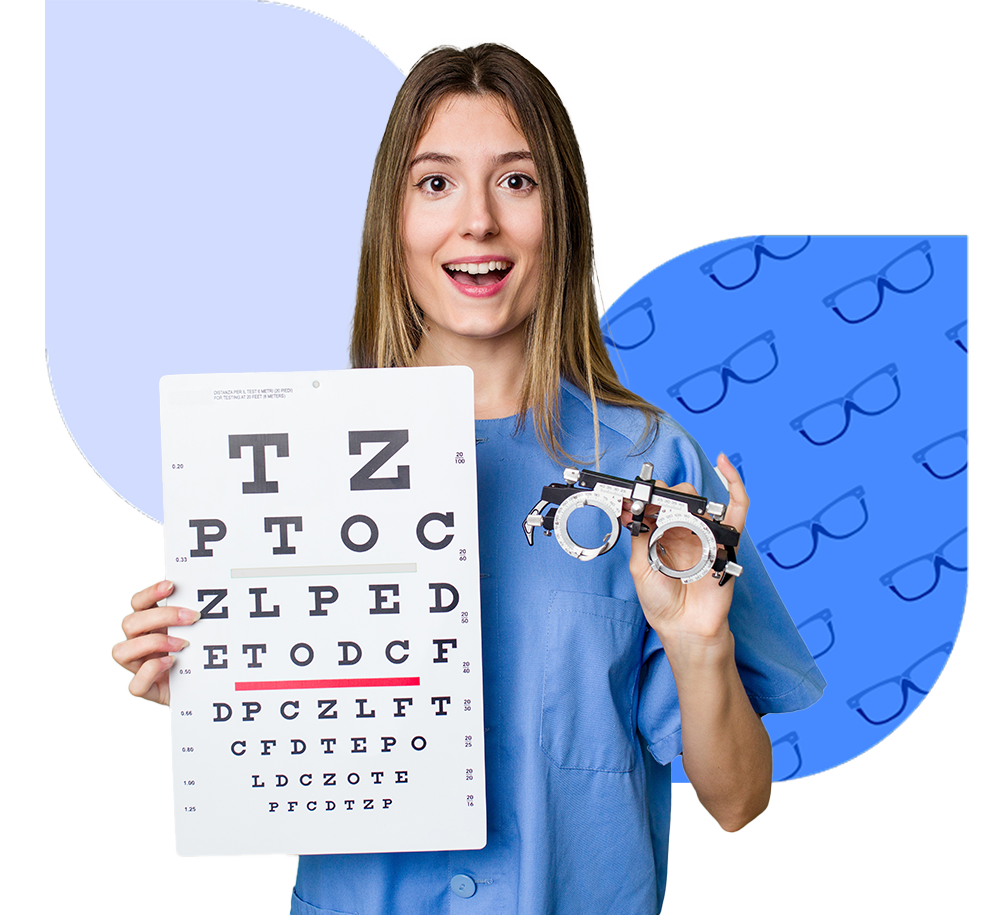
- Visual acuity tests using an eye chart
- Refraction tests to determine your prescription
- Assessment of eye teaming and mobility
- Screening for astigmatism, nearsightedness, and farsightedness
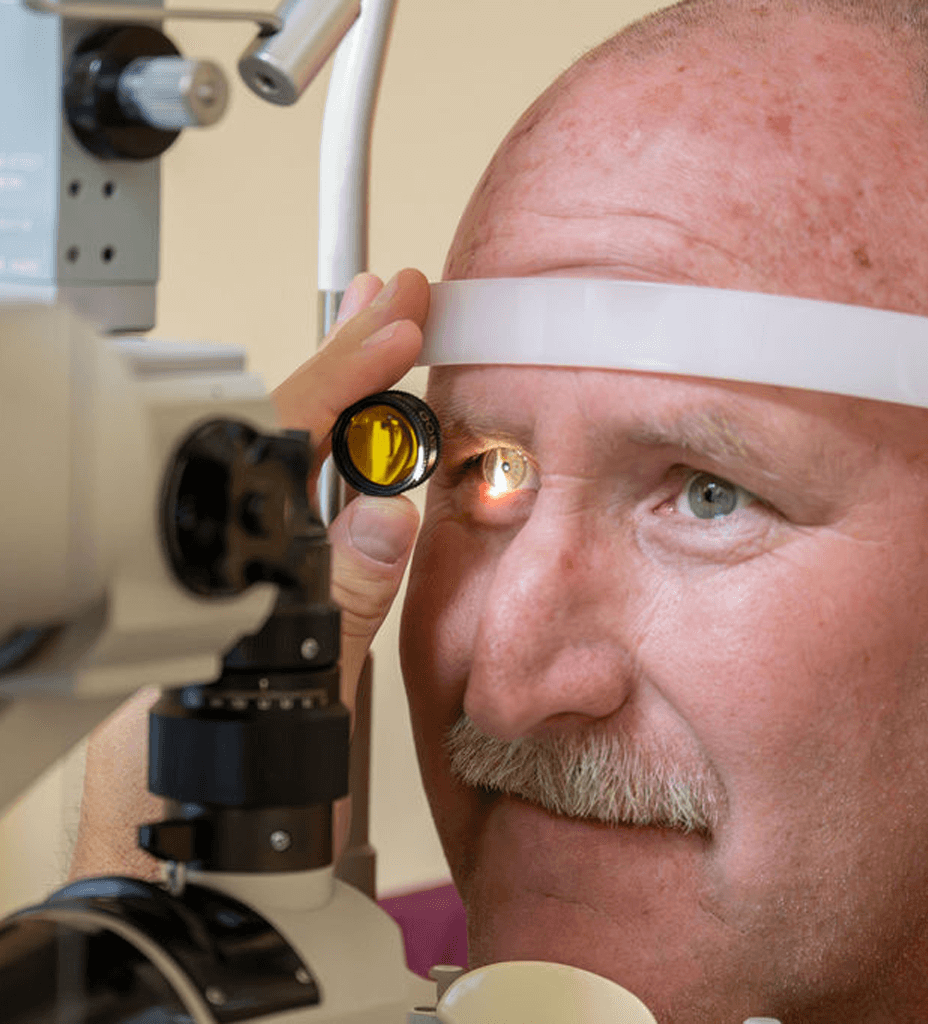
- Advanced imaging to inspect retinal health and optic nerves
Our team will share your results, answer your questions, and recommend a tailored treatment plan to meet your needs.
We leverage cutting-edge diagnostic tools and procedures to ensure the most accurate and reliable results. From digital retinal imaging to specialized tests for children and seniors, we’re equipped to handle all your eye care needs with precision.
Protect Your Vision Today
Our offices are dedicated to keeping your eyes healthy. Book your comprehensive eye check-up today and experience the difference of expert, personalized care.
What is included in a comprehensive eye examination?
A comprehensive eye examination goes beyond checking whether you need glasses. It typically includes an evaluation of your overall eye health, visual acuity testing, an eye exam refraction test to determine your prescription, and screening for conditions like glaucoma, cataracts, and macular degeneration. Your eye doctor may also review your medical history and any symptoms you’ve been experiencing to give you complete eye care tailored to your needs.
How often should I schedule a regular eye examination?
Most adults benefit from a regular eye examination every one to two years, though your eye doctor may recommend more frequent visits depending on your age, health history, or vision needs. Children, seniors, and those with diabetes or a family history of eye disease may need annual comprehensive eye check-ups. If you’re in Worcester, Randolph, Lincoln, or Cranston, scheduling consistent visits is one of the most proactive steps you can take for your long-term eye health.
What is an eye exam refraction test, and why does it matter?
An eye exam refraction test measures how light bends as it passes through your eye, helping determine whether you’re nearsighted, farsighted, or have astigmatism. It’s a core part of any comprehensive eye examination and directly informs your glasses or contact lens prescription. Without an accurate refraction, you may experience eye strain, headaches, or blurred vision even with corrective lenses. It’s a quick, non-invasive step that makes a significant difference in your daily visual comfort.
Can a comprehensive eye check-up detect health conditions beyond vision problems?
Yes, a comprehensive eye check-up can reveal early signs of systemic health conditions such as diabetes, high blood pressure, and certain neurological issues, often before other symptoms appear. The eyes are one of the few places in the body where blood vessels can be observed directly, giving your eye doctor valuable insight into your overall health. Comprehensive eye care is not just about your vision; it’s part of a broader picture of your well-being.
Where can I get comprehensive eye care in Worcester, Randolph, Lincoln, or Cranston?
If you’re looking for complete eye care near Worcester, Randolph, Lincoln, or Cranston, The Eyes On Group offers thorough, comprehensive eye examinations for patients of all ages. Whether you’re due for a regular eye examination, need an updated prescription, or simply want a full eye health evaluation, their team can help. You don’t have to wait for a problem to appear. Booking eye exams today is the simplest way to stay ahead of potential vision or eye health concerns.