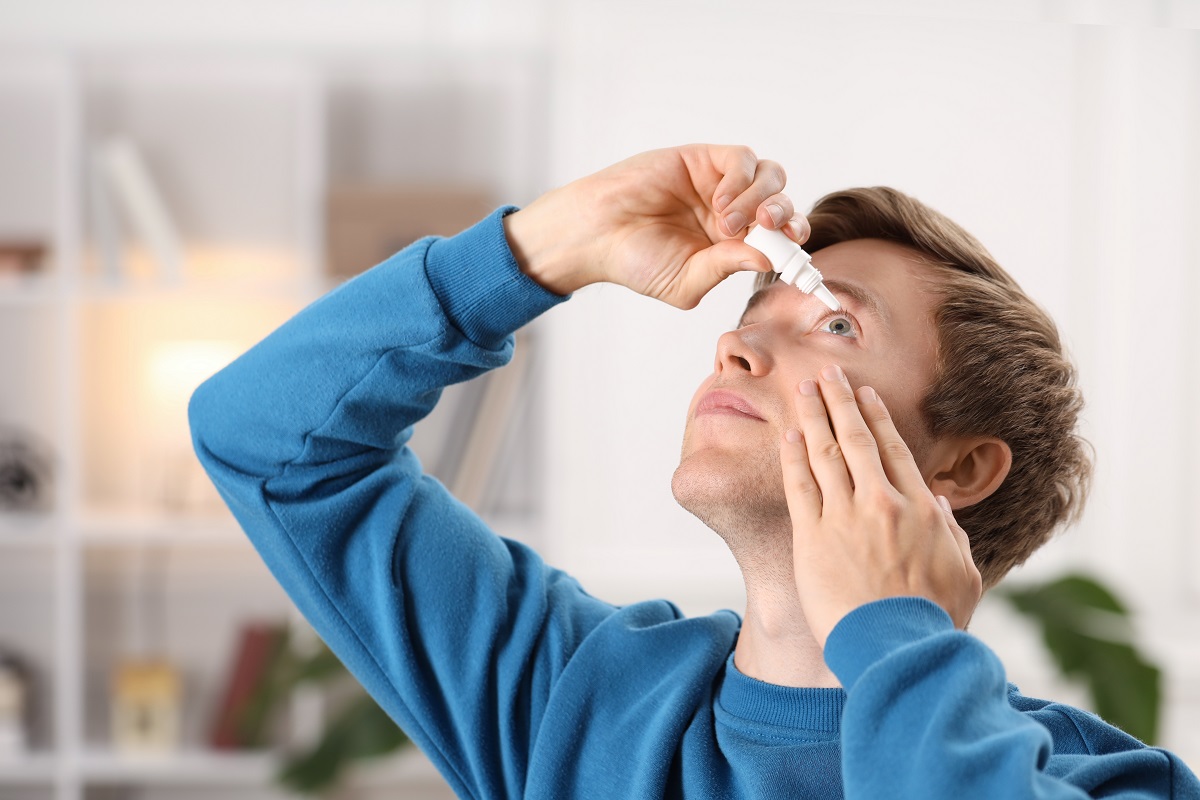
Red, irritated eyes are frustrating on their own. What makes them even more stressful is not knowing what is actually causing them. Is it allergies? An infection? Something else entirely? For most people, the symptoms can look and feel surprisingly similar, which is why understanding the difference between eye allergy vs infection is one of the most useful things you can know when it comes to your eye health.
Getting the diagnosis right matters more than you might think. Treating an infection like allergies can let bacteria or a virus spread and worsen. Treating allergies like an infection means unnecessary medications and a delay in actual relief. This guide breaks down both conditions clearly so you can make smarter decisions about your eye care and know exactly when to call a doctor.
What Is an Eye Allergy?
An eye allergy, also known as allergic conjunctivitis, happens when your immune system reacts to an airborne substance it considers a threat. Pollen, pet dander, dust mites, mold spores, and even certain eye drops or cosmetics can all act as triggers.
When your eyes come into contact with an allergen, your body releases histamine. That histamine response triggers inflammation in the conjunctiva (the thin membrane covering the white of your eye and inner eyelids), which is what causes all the familiar discomfort.
Eye allergies are not contagious. They are also not caused by a pathogen, which means antibiotics will do nothing to treat them.
Common Eye Allergy Symptoms
- Intense itching in both eyes, often simultaneously
- Redness and a pink or watery appearance
- Clear, watery discharge (not thick or colored)
- Puffy or swollen eyelids, especially in the morning
- Burning or a gritty feeling without significant pain
- Symptoms that worsen outdoors, during high pollen counts, or around animals
One of the most reliable signs of an eye allergy is that both eyes are usually affected at the same time, and the itching tends to be the dominant complaint. Nasal allergy symptoms like sneezing or a runny nose often accompany the eye irritation as well.
What Is an Eye Infection?
Eye infections are caused by pathogens: bacteria, viruses, or fungi that invade the eye and trigger an immune response. The most common type is infectious conjunctivitis, often called pink eye, but infections can also affect other parts of the eye including the cornea (keratitis) and eyelid margins (blepharitis).
Unlike allergies, infections are typically contagious, particularly viral and bacterial forms. They spread through direct contact with infected hands, surfaces, or respiratory droplets, which is why they tend to move through households and classrooms quickly.
Common Eye Infection Symptoms
- Redness in one eye, often spreading to the other over time
- Thick, yellow, green, or white discharge
- Crusting of the eyelids or lashes, especially after sleep
- A burning or scratchy sensation
- Sensitivity to light
- Swollen eyelids that may feel tender to the touch
- In more serious infections, pain or blurred vision
The discharge is the biggest distinguishing factor when comparing eye allergy vs infection. Allergies produce clear, watery tears. Infections typically produce thicker, colored discharge that can cause the eyelids to stick together overnight.
Eye Allergy vs Infection: A Side-by-Side Comparison
| Feature | Eye Allergy | Eye Infection |
| Cause | Allergens (pollen, dander, dust) | Bacteria, viruses, or fungi |
| Discharge | Clear and watery | Thick, yellow, green, or white |
| Itching | Intense, primary complaint | Mild to moderate |
| Affected eyes | Usually both at once | Often starts in one eye |
| Contagious | No | Often yes (bacterial and viral) |
| Associated symptoms | Nasal allergies, sneezing | Fever, sore throat (viral) |
| Treatment | Antihistamines, avoidance | Antibiotics, antivirals |
This comparison makes it easier to assess what you are experiencing before reaching for the wrong treatment or assuming the situation will resolve on its own.
Treatment: What Works for Each Condition
Knowing the difference between eye allergy vs infection directly shapes how you treat the problem.
Treating Eye Allergies
The goal with allergies is to reduce the histamine response and limit exposure to triggers.
Antihistamine eye drops are the most targeted option and provide fast relief from itching and redness. Look for preservative-free formulas, particularly if you are using them daily.
Oral antihistamines like cetirizine or loratadine work well when eye symptoms come alongside nasal congestion and sneezing.
Artificial tears flush allergens from the eye surface and keep the eye lubricated. Using them before and after time outdoors is a simple preventive step.
Cold compresses placed over closed eyes reduce swelling and soothe irritation without any medication involved. This is particularly helpful for children or anyone who prefers to start with a non-medicated approach.
Allergen avoidance is the most effective long-term strategy. Check pollen counts, keep windows closed on high-count days, shower before bed, and wear wraparound sunglasses outdoors.
Treating Eye Infections
The treatment for an infection depends on what is causing it.
Bacterial infections are treated with prescription antibiotic eye drops or ointments. Most bacterial pink eye clears up within a week of starting antibiotics, though mild cases sometimes resolve on their own.
Viral infections, including those caused by the herpes simplex virus or adenovirus, cannot be treated with antibiotics. Most viral cases require rest, supportive care, and time. Antiviral medications may be prescribed for certain herpes-related infections.
Warm compresses help loosen crusting and ease discomfort during an infection. Unlike allergies where cold compresses are preferred, warmth tends to work better for the thick discharge associated with bacterial or viral infections.
Hygiene is critical. Wash your hands frequently, avoid touching your eyes, do not share towels or pillowcases, and stay home when possible to avoid spreading the infection to others.
When to See a Doctor
For mild allergy symptoms, home care and over-the-counter treatments are usually sufficient. For infections, professional evaluation is often the smarter choice, especially if symptoms are worsening.
See a doctor promptly if:
- You are unsure whether you are dealing with eye allergy vs infection
- Only one eye is affected and symptoms are getting worse
- You notice thick or colored discharge
- There is significant pain, not just irritation
- Your vision is blurred or noticeably affected
- Symptoms do not improve within a few days of home care
- You wear contact lenses and develop sudden eye redness or discomfort (contact lens wearers are at higher risk for corneal infections)
- A child under two is showing eye symptoms
An eye care professional can confirm the diagnosis quickly, often in a single visit, and recommend the right treatment to get you better faster. Guessing between conditions can delay recovery and, in the case of serious infections, allow damage to progress.
Simple Home Care Tips for Both Conditions
Regardless of whether you are dealing with an allergy or an infection, a few basic habits help manage symptoms and support recovery.
Do not rub your eyes. With allergies, rubbing releases more histamine and intensifies itching. With infections, rubbing spreads pathogens and worsens inflammation.
Replace your pillowcase frequently. Allergens and bacteria accumulate in bedding. Fresh pillowcases reduce re-exposure overnight.
Remove contact lenses immediately if you develop any eye redness, discharge, or irritation. Do not reinsert them until symptoms are fully resolved and cleared by your eye care provider.
Avoid eye makeup during an active infection. Makeup can harbor bacteria and reintroduce pathogens after treatment. Discard any eye products that were in use during an infection to avoid recontamination.
Know the Difference and Take Your Eye Health Seriously
Your eyes deserve the same care and attention as any other part of your health. When it comes to eye allergy vs infection, the differences matter in practical, real-world ways: they affect which treatments you reach for, how contagious your situation is, and how quickly you should seek professional help.
When in doubt, skip the guesswork. The team at The Eyes On Group offers expert eye care for both allergies and infections, with the diagnostic tools and experience to get you accurate answers and effective treatment fast. Your vision is worth it.
FAQ: Eye Allergy vs Infection
Q1: Can I have both an eye allergy and an eye infection at the same time?
Yes, it is possible. Chronic eye rubbing due to allergies can introduce bacteria to the eye, increasing infection risk. If your symptoms include both intense itching and thick colored discharge, see an eye care professional for an accurate diagnosis rather than treating one condition at a time.
Q2: How long does each condition typically last?
Eye allergy symptoms persist as long as the allergen is present and can last weeks during pollen season. Bacterial eye infections typically clear within 7 to 10 days with proper treatment. Viral infections may take 2 to 3 weeks to fully resolve even with supportive care.
Q3: Are eye infections dangerous?
Most mild bacterial and viral infections are not dangerous when treated promptly. However, certain infections, particularly those affecting the cornea, can cause lasting vision damage if left untreated. Any eye infection accompanied by pain or vision changes should be evaluated by a doctor quickly.