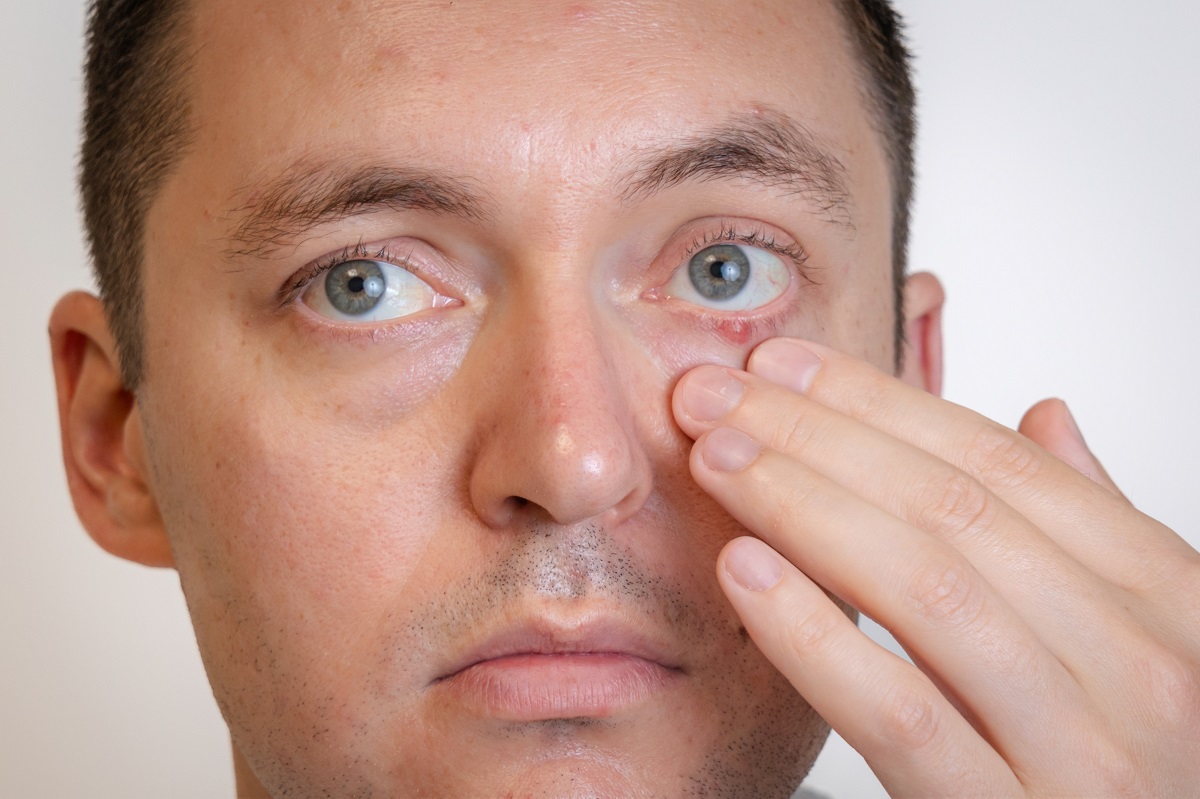
If your eyes have been red, itchy, or watery lately, you are not imagining things. Eye allergies affect millions of Americans every year, and for many people, the discomfort can feel relentless. Whether it is a specific season, a new pet, or simply stepping into a dusty room that sets you off, understanding your eye allergy symptoms is the first step toward real relief.
This guide breaks down what causes eye allergies, how to recognize the symptoms, and which itchy eyes treatment options actually work. Plus, you will learn when it is time to stop guessing and get professional eye care.
What Causes Eye Allergies?
Eye allergies, also known as allergic conjunctivitis, occur when your immune system overreacts to a substance it perceives as a threat. These substances are called allergens, and they are usually completely harmless. Your immune system, however, does not see it that way.
Seasonal Allergens
Pollen from trees, grasses, and weeds is one of the most common triggers. If your symptoms flare up in spring or fall, seasonal allergens are likely the culprit. Ragweed season in late summer and fall is particularly rough for many people in the USA.
Year-Round (Perennial) Allergens
Some triggers do not follow the calendar. Dust mites, mold spores, pet dander, and cockroach particles can cause eye allergy symptoms all year long. If you wake up with irritated eyes or notice symptoms mostly indoors, perennial allergens may be to blame.
Contact Lenses and Eye Products
Wearing contact lenses can trap allergens against the surface of your eye, amplifying the reaction. Certain eye drops, makeup, and skincare products also contain preservatives or fragrances that trigger allergic responses in sensitive individuals.
Air Quality and Environmental Factors
Smoke, air pollution, and strong odors can irritate the eyes even without a true allergic response. For people who already have allergies, poor air quality makes everything worse.
Recognizing Eye Allergy Symptoms
One of the trickier parts of dealing with eye allergies is that the symptoms overlap with several other conditions, including dry eyes, pink eye, and digital eye strain. Knowing what to look for helps you respond correctly.
The Most Common Eye Allergy Symptoms Include:
- Intense itching in one or both eyes (this is the hallmark sign)
- Redness and a pink or bloodshot appearance
- Watery, excessive tearing that does not seem to stop
- Burning or stinging sensation without discharge
- Puffiness or swelling around the eyelids
- Sensitivity to light, especially in bright environments
- Blurred vision that clears up after blinking
Unlike bacterial pink eye, eye allergies do not typically produce thick, yellow-green discharge. The tears are usually clear and watery. Symptoms also tend to affect both eyes at the same time and often come alongside nasal allergy symptoms like sneezing or a runny nose.
If you are unsure whether allergies or something else is causing your discomfort, an eye specialist can help confirm the diagnosis and rule out infections.
Itchy Eyes Treatment: What Actually Works
Good news: most eye allergy symptoms respond well to treatment, and there are several effective options to choose from depending on how mild or severe your symptoms are.
1. Antihistamine Eye Drops
These are the most targeted itchy eyes treatment available over the counter. Antihistamine drops work by blocking the histamine response that causes itching and redness. They tend to work quickly and are safe for regular use. Look for options like ketotifen fumarate, which provides fast, lasting relief.
2. Oral Antihistamines
If your eye allergies come alongside nasal symptoms, an oral antihistamine like cetirizine or loratadine can address both at once. Keep in mind that some oral antihistamines can have a drying effect, which may actually worsen eye irritation for some people.
3. Decongestant Eye Drops (Use with Caution)
Redness-relieving drops that contain decongestants can reduce the appearance of red eyes quickly, but they are not meant for long-term use. Using them too frequently can cause a rebound effect, making redness worse over time.
4. Cold Compresses
A simple cold compress applied to closed eyes for 10 minutes can significantly reduce swelling and itching. This is especially helpful during a sudden flare-up or before bed when symptoms tend to peak.
5. Artificial Tears
Preservative-free artificial tears help flush allergens off the surface of the eye and keep the eye lubricated. Using them regularly during allergy season can reduce the severity of your symptoms, especially if you also experience dryness.
6. Prescription Treatments
For moderate to severe symptoms that do not respond to over-the-counter options, prescription-strength antihistamine or mast cell stabilizer drops may be necessary. Some patients benefit from allergy immunotherapy (allergy shots or sublingual drops) for long-term relief. These options require guidance from a qualified eye specialist.
Practical Eye Care Tips to Reduce Exposure
Treating the symptoms matters, but reducing your exposure to allergens is equally important. Here are some simple eye care habits that make a real difference:
- Wear wraparound sunglasses outdoors to block pollen from reaching your eyes
- Keep windows closed on high pollen count days and use air conditioning instead
- Wash your hands frequently, especially after touching pets
- Change your pillowcase at least twice a week during allergy season
- Avoid rubbing your eyes, no matter how tempting. Rubbing releases more histamine and makes itching worse
- Shower before bed to wash pollen off your hair and skin
- If you wear contacts, switch to daily disposables during peak allergy season or consider wearing glasses on high-symptom days
When to See an Eye Specialist
Home remedies and over-the-counter drops handle most mild cases of eye allergies well. But there are situations where seeing an eye specialist is the right call.
Book an appointment if:
- Your eye allergy symptoms are severe or getting worse despite treatment
- You experience significant pain, not just discomfort
- Your vision is noticeably affected
- You notice thick discharge, crusting, or symptoms in only one eye (which may suggest infection rather than allergies)
- Symptoms persist year-round and are disrupting your daily life
An eye specialist can run tests to identify your specific triggers, recommend prescription-strength treatments, and create a long-term management plan. The team at The Eyes On Group specializes in exactly this kind of personalized eye care, helping patients find real, lasting relief.
Take Control of Your Eye Health This Season
Eye allergies can feel overwhelming, especially when symptoms hit hard and fast. But between antihistamine drops, smart allergen avoidance, and regular eye care habits, relief is absolutely within reach. Start with the basics, be consistent, and pay attention to what triggers your symptoms.
And if the discomfort is not letting up, do not just push through it. The right itchy eyes treatment for your specific situation may require professional guidance. Reach out to the team at The Eyes On Group for a thorough evaluation and a personalized plan that goes beyond guesswork. Your eyes deserve real attention, not just a temporary fix.
FAQ: Eye Allergy Symptoms and Treatment
Q1: Can eye allergies damage my vision permanently?
In most cases, eye allergies do not cause permanent vision damage. However, chronic rubbing of the eyes can lead to corneal thinning over time. If your symptoms are severe and ongoing, seeking professional eye care is the safest approach to protect your long-term vision.
Q2: How do I know if it is allergies or pink eye?
Allergic conjunctivitis usually affects both eyes, causes intense itching, and produces watery (not thick) discharge. Pink eye caused by bacteria typically affects one eye first, produces thick discharge, and may cause the eyelids to crust overnight. An eye specialist can confirm the difference with a simple exam.
Q3: Is itchy eyes treatment safe for kids?
Many antihistamine eye drops are approved for children aged three and older, but dosing and formulations vary. Always consult a pediatrician or eye care professional before using any eye medication on a child.