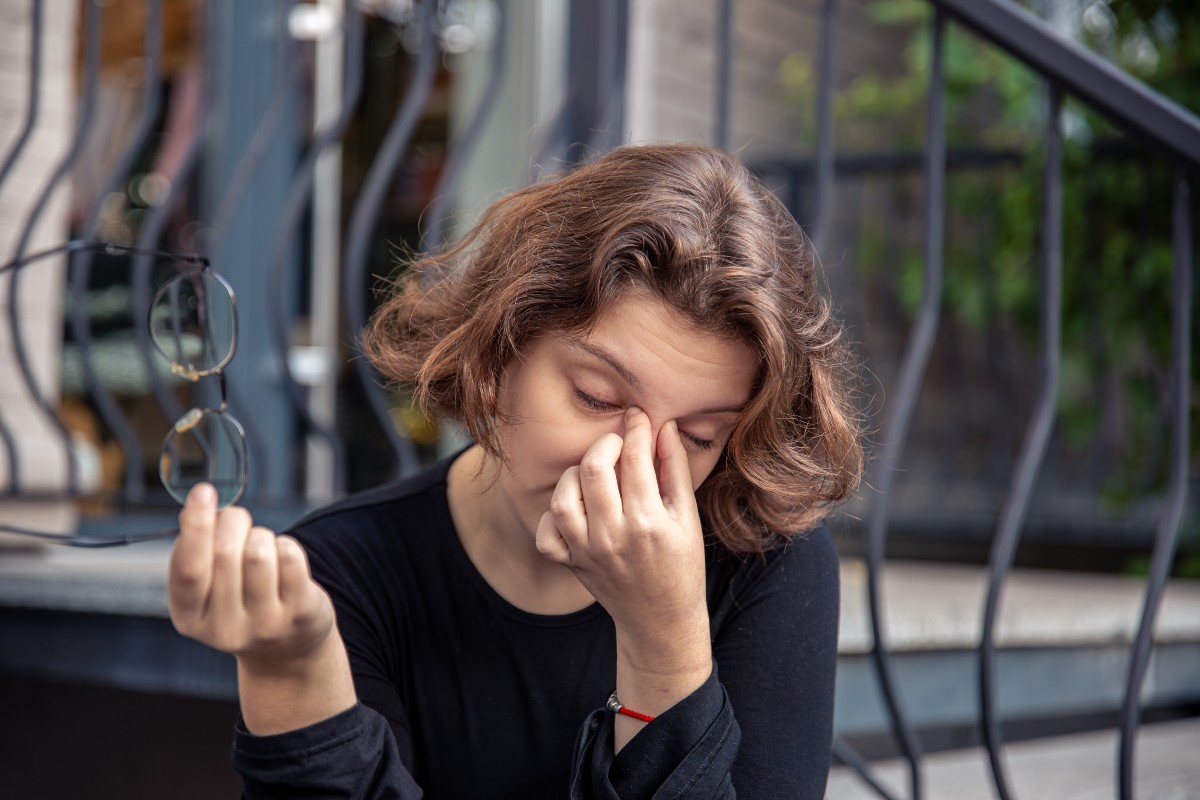
Summer is one of the most challenging seasons for eye comfort. Air conditioning, heat, sun exposure, chlorine, pollen, and increased screen time on vacation all converge to create the conditions your eyes find most difficult. The result is that millions of people spend the season dealing with irritated, red, gritty, or watering eyes without knowing exactly what is causing it.
The problem is that dry eye symptoms in summer share significant overlap with several other conditions, including seasonal allergies, bacterial and viral conjunctivitis, photokeratitis, and even early signs of something more systemic. Treating the wrong condition means the actual problem does not get addressed, and symptoms continue or worsen.
Here is how to tell the difference.
Why Summer Makes Dry Eye Symptoms Worse
Before separating dry eye from its lookalikes, it helps to understand why the season amplifies it.
Dry eye disease occurs when the eye either does not produce enough tears or produces tears that evaporate too quickly. Tears are a three-layer system: an oil layer that prevents evaporation, a watery layer that provides volume and lubrication, and a mucin layer that keeps the tear film stable across the eye surface. When any layer is disrupted, the eye loses its ability to stay properly lubricated.
Summer creates multiple threats to this system at once.
Heat and dehydration. High outdoor temperatures increase tear evaporation from the eye surface. When the body is also dehydrated, tear production itself can drop. Many people do not drink enough water during summer heat, and the eyes register the deficit before other parts of the body do.
Air conditioning. This is one of the most underappreciated dry eye triggers. Spending extended time in air-conditioned environments, whether in a car, office, or home, reduces indoor humidity and directs air currents toward the face. Both effects accelerate tear film evaporation.
Wind and outdoor air exposure. Summer outdoor activities, beach days, and open-car drives create wind exposure that pulls moisture from the eye surface faster than the tear film can replenish it.
Chlorine. Pool water strips the tear film and irritates the conjunctiva. After swimming, the eyes often feel dry, gritty, and inflamed for hours.
Increased screen use. Vacation travel puts children and adults in front of screens for long stretches. Screen use reduces the blink rate by 30 to 50 percent, directly reducing the frequency of tear film distribution.
If your eyes are consistently uncomfortable in summer, any one or several of these factors may be driving it. But before reaching for artificial tears and assuming it is dry eye, it is worth ruling out what else it might be.
How to Distinguish Dry Eye from Summer Allergies
Allergic conjunctivitis is the most common condition confused with dry eye, and the overlap in summer is substantial. Both cause redness, irritation, tearing, and a burning or gritty feeling. The distinctions are real but require attention.
Key differences:
- Itching is the signature symptom of allergies. Dry eye can produce mild itchiness, but intense, persistent eye itching that makes you want to rub constantly points to an allergic response rather than a tear deficiency.
- Allergy symptoms tend to affect both eyes equally and simultaneously. Dry eye can be asymmetric, affecting one eye more than the other depending on airflow, screen positioning, or individual gland function.
- Mucus or watery discharge from the inner corner of the eye is more common with allergies. Dry eye typically does not produce significant discharge.
- Swelling of the eyelids or the white of the eye (chemosis) suggests allergy. Dry eye does not produce visible swelling.
- Symptoms that worsen outdoors, especially on high-pollen days or near grass and trees, point to airborne allergens. Dry eye symptoms typically worsen in air-conditioned environments and after prolonged screen use.
- Antihistamine drops provide rapid, noticeable relief for allergy-related symptoms. Artificial tears improve dry eye but do not address allergic reactions.
It is also possible to have both conditions simultaneously. Dry eye and allergic conjunctivitis commonly co-occur, particularly in summer, and each can worsen the other. An optometrist can evaluate both conditions at the same visit and recommend treatment for each.
How to Distinguish Dry Eye from Conjunctivitis (Pink Eye)
Viral and bacterial conjunctivitis are often lumped together as pink eye, but they are distinct conditions with distinct presentations. Both differ from dry eye in important ways.
| Symptom or Sign | Dry Eye | Viral Conjunctivitis | Bacterial Conjunctivitis |
|---|---|---|---|
| Eye color | Mild to moderate redness | Significant pink/red | Significant pink/red |
| Discharge | Little to none | Watery, clear | Yellow or green, crusting |
| Itching | Mild | Moderate | Mild to moderate |
| Gritty or sandy feeling | Very common | Common | Common |
| Affects both eyes | Can vary | Often spreads to second eye | Often in one eye initially |
| Associated symptoms | None typically | Cold, sore throat, swollen lymph node | None typically |
| Contagious | No | Highly contagious | Contagious |
| Improves with artificial tears | Yes, somewhat | No | No |
The most important distinguishing feature is discharge. Dry eye does not produce the yellow or green crusting that bacterial conjunctivitis generates. Viral conjunctivitis often comes with cold symptoms. If your eyes are red, producing discharge of any color, and did not improve with lubricating drops, do not self-treat. Bacterial infections require antibiotic eye drops that only an optometrist or physician can prescribe.
How to Distinguish Dry Eye from Photokeratitis
Photokeratitis is essentially a sunburn of the cornea, caused by excessive UV exposure. It is more common in summer, particularly after beach days, time on the water, or snow and high-altitude environments where UV reflection is intense.
Photokeratitis can feel nearly identical to dry eye: burning, gritty, painful, red eyes with light sensitivity. The key differentiator is the history and timing.
Signs that point to photokeratitis rather than dry eye:
- Symptoms began several hours after significant sun exposure without proper UV-protective eyewear
- Intense light sensitivity that developed suddenly, not gradually
- Pain that is more pronounced than typical dry eye discomfort
- Symptoms appeared within 6 to 12 hours of UV exposure and may resolve within 24 to 48 hours
Photokeratitis is temporary and generally resolves with rest, keeping eyes closed in a darkened room, and lubricating drops. However, repeated UV exposure without eye protection can cause cumulative damage to the cornea and increase long-term risk of conditions including cataracts and macular degeneration.
How to Distinguish Dry Eye from Something More Serious
This is the distinction that matters most, and the one most people overlook.
Persistent eye discomfort that does not respond to lubricating drops, rest, and removal from triggering environments can sometimes signal an underlying systemic condition rather than a surface-level eye problem.
Conditions that can present with dry eye-like symptoms in the eye:
Diabetes. High blood sugar affects the small blood vessels in the eye and can cause changes in tear production and corneal sensitivity. People with undiagnosed or poorly
controlled diabetes often first notice eye discomfort that resembles dry eye before other symptoms emerge.
Thyroid disease. Thyroid conditions, particularly hyperthyroidism and Graves disease, can affect the lacrimal glands and the muscles around the eye, producing dryness, irritation, and in some cases, a protruding appearance of the eye.
Autoimmune conditions. Sjogren’s syndrome, rheumatoid arthritis, and lupus all significantly affect tear production. Dry eye that is severe, persistent, and affects both eyes simultaneously is a known presentation of Sjogren’s syndrome.
Blepharitis. Inflammation of the eyelid margins disrupts the meibomian glands that produce the oil layer of the tear film. Blepharitis-related dry eye tends to be worse in the morning, with crusty eyelids upon waking, and does not respond as well to standard artificial tears alone.
Medications. Antihistamines, blood pressure medications, antidepressants, and some acne treatments reduce tear production as a side effect. If you recently started a new medication and your dry eye symptoms emerged or worsened soon after, the medication may be a contributing factor.
If your dry eye symptoms in summer have been present for several weeks, are affecting both eyes, or have not improved with over-the-counter lubricating drops, these possibilities are worth discussing with an optometrist.
Dry Eye Symptoms That Warrant a Professional Evaluation
Not every episode of dry, gritty eyes requires a trip to the optometrist. But certain patterns and symptoms should prompt a scheduled appointment rather than continued self-management.
See an optometrist if you experience:
- Dry eye symptoms that persist beyond two to three weeks despite regular use of lubricating drops
- Symptoms that are worsening rather than fluctuating or improving
- Significant light sensitivity that is new or more severe than before
- Blurred vision that does not clear with blinking or drops
- Eye pain rather than general discomfort
- Any yellow, green, or heavy watery discharge from the eye
- Symptoms that appear to worsen after starting a new medication
- A gritty or foreign body sensation that does not ease with rinsing or drops
Many people have untreated dry eye disease without realizing it, because they have adapted to the discomfort or assumed the symptoms were simply seasonal. A comprehensive eye exam includes specific evaluation of tear film stability, meibomian gland function, and the corneal surface, allowing an optometrist to identify both the type of dry eye and the most effective treatment approach.
Managing Summer Dry Eye While You Wait for an Appointment
For symptoms that are present but manageable, these measures reduce the environmental burden on the tear film during summer.
Hydration: Drink water consistently throughout the day. Tear production is directly affected by overall hydration status.
Artificial tears: Preservative-free lubricating drops are the safest over-the-counter option for regular use. Drops with preservatives should not be used more than four times daily, as the preservative itself can irritate the eye surface with frequent application.
Humidity: Use a humidifier in air-conditioned rooms. Target a humidity level of 40 to 50 percent in your home or workspace.
Sunglasses: Wraparound styles reduce wind and UV exposure simultaneously. UV protection at the eye level also protects against photokeratitis and cumulative corneal and lens damage.
Screen breaks: Follow the 20-20-20 rule during extended screen time. Every 20 minutes, look at something 20 feet away for 20 seconds. Blink consciously and fully during screen use to restore the tear film.
Post-swim care: Rinse eyes with clean water after pool swimming and follow with preservative-free artificial tears to restore the tear film after chlorine exposure.
Dry Eye Care at Eyes On Group
At Eyes On Group, we evaluate and treat dry eye disease across our locations in Worcester and Randolph, MA, and Lincoln and Cranston, RI. Our optometrists assess tear film stability, meibomian gland function, and the underlying contributors to your symptoms before recommending treatment. For many patients, that means a more targeted approach than what over-the-counter drops can provide.
If you have been managing summer eye discomfort on your own and are not getting the relief you should be, an appointment is the fastest way to find out what is actually going on.
Conclusion
Dry eye symptoms in summer are common, but they are not always caused by dry eye. Allergies, conjunctivitis, photokeratitis, blepharitis, and systemic conditions can all produce eye discomfort that resembles dry eye closely enough to mislead self-treatment. The distinctions matter because each condition responds to a different treatment. If your eyes have been bothering you this summer and lubricating drops are not enough, an optometrist evaluation is the clearest path to understanding what is actually happening and getting the right relief.
FEATURED SNIPPETANSWER
What are the symptoms of dry eye in summer and how do you tell it from other conditions?
Dry eye symptoms in summer include burning, grittiness, redness, tearing, and blurred vision that worsen in air conditioning and after screen use. Unlike allergies, dry eye rarely causes intense itching. Unlike conjunctivitis, it does not produce yellow or green discharge. Symptoms that persist despite lubricating drops warrant a professional eye exam.
KEY TAKEAWAYS
- Summer creates multiple simultaneous dry eye triggers: heat, dehydration, air conditioning, wind, chlorine, and extended screen time during travel all accelerate tear film evaporation.
- Intense itching is the most reliable differentiator between seasonal eye allergies and dry eye. Dry eye does not typically produce the persistent, compelling itch that allergies do.
- Bacterial conjunctivitis produces yellow or green discharge and crusting that dry eye does not. Viral conjunctivitis often accompanies cold-like symptoms. Neither improves with artificial tears alone.
- Photokeratitis is a UV-induced corneal sunburn that presents almost identically to dry eye but appears several hours after unprotected sun exposure and typically resolves within 24 to 48 hours.
- Dry eye that is severe, bilateral, and resistant to over-the-counter drops can be an early sign of systemic conditions including Sjogren’s syndrome, diabetes, and thyroid disease.
- Preservative-free artificial tears are the safest option for frequent daily use. Drops with preservatives should be limited to four applications per day to avoid additional surface irritation.
- Blepharitis, a chronic inflammation of the eyelid margins, disrupts the oil layer of the tear film and produces morning-dominant dry eye symptoms with crusty eyelids on waking. It requires specific treatment beyond standard lubricating drops.
- Dry eye symptoms persisting beyond two to three weeks, worsening progressively, or accompanied by pain, light sensitivity, or discharge should be evaluated by an optometrist rather than self-managed
FAQs
Q1: Why does dry eye get worse in summer?
Summer amplifies dry eye through multiple mechanisms at once. Heat increases the rate at which tears evaporate from the eye surface. Dehydration reduces tear production. Air conditioning lowers indoor humidity. Wind from outdoor activities pulls moisture from the eye faster than the tear film can replenish it. Chlorine from pool swimming strips the protective tear film. All of these factors are often present simultaneously during summer months.
Q2: What is the difference between dry eye and eye allergies in summer?
The clearest differentiator is itching. Allergic conjunctivitis typically causes intense, persistent itching that compels rubbing. Dry eye may cause mild irritation but not the same level of itch. Allergy symptoms also tend to worsen outdoors on high-pollen days and improve with antihistamine drops, while dry eye worsens in air conditioning and improves with lubricating drops. Both conditions can occur at the same time, however.
Q3: Can dry eye cause blurry vision in summer?
Yes. Tear film instability causes temporary fluctuations in visual clarity, particularly after prolonged screen use or outdoor exposure. The blur typically clears briefly after blinking, which restores the tear film over the corneal surface. If blurry vision does not clear with blinking or lubricating drops, or if it is persistent rather than fluctuating, that may indicate a different underlying cause that warrants a professional eye exam.
Q4: How do I know if I have dry eye or conjunctivitis?
The clearest distinction is discharge. Dry eye does not produce the yellow or green discharge and lid crusting associated with bacterial conjunctivitis. Viral conjunctivitis typically produces watery clear discharge and often accompanies cold symptoms. Both forms of conjunctivitis tend to cause more significant redness than dry eye and do not respond to lubricating drops. If you have significant discharge of any color, contact an optometrist rather than self-treating with artificial tears.
Q5: Can air conditioning cause dry eye?
Yes. Air conditioning reduces indoor humidity and often directs airflow toward the face, both of which accelerate tear evaporation from the eye surface. People who spend extended time in air-conditioned environments, whether in offices, cars, or homes, frequently experience dry eye symptoms that are directly linked to the reduced humidity. Using a humidifier, positioning vents away from the face, and using preservative-free lubricating drops regularly can reduce the impact.
Q6: What are the best eye drops for dry eye in summer?
Preservative-free artificial tears are the most consistently recommended option for regular summer use. They can be used as often as needed without risking the surface irritation that preservatives in standard drops can cause with frequent application. For more severe dryness, oil-based artificial tears provide longer-lasting relief by stabilizing the lipid layer of the tear film. However, the right eye drop for your specific dry eye type is best determined by an optometrist evaluation.
Q7: When should I see an eye doctor for dry eye symptoms in summer?
See an optometrist if symptoms persist beyond two to three weeks despite regular lubricating drop use, if they are worsening rather than fluctuating, if you experience significant light sensitivity or eye pain, if blurry vision does not clear with blinking, or if any discharge appears. Symptoms that began or worsened after starting a new medication are also worth discussing professionally, as tear production is a known side effect of many common drugs.
Q8: Can swimming in a pool cause dry eye?
Yes. Chlorine in pool water strips the protective tear film from the corneal surface and irritates the conjunctiva. After swimming without goggles, eyes often feel dry, gritty, burning, and red for several hours. Rinsing with clean water immediately after swimming and using preservative-free artificial tears helps restore the tear film. Wearing properly fitted swim goggles prevents direct pool water contact with the eye surface entirely.
Q9: Can dry eye be a sign of a more serious condition?
In some cases, yes. Persistent dry eye that affects both eyes simultaneously and does not respond to lubricating drops is a known early presentation of Sjogren’s syndrome, an autoimmune condition that attacks moisture-producing glands. Thyroid disease, diabetes, and blepharitis also produce significant dry eye as part of their presentation. An optometrist can assess whether your symptoms fit the profile of simple environmental dry eye or whether further evaluation is appropriate.
Q10: Does sun exposure cause dry eye symptoms?
Excessive UV exposure causes photokeratitis, a corneal sunburn that presents with burning, grittiness, redness, and light sensitivity that closely resembles dry eye. It typically develops several hours after sun exposure without protective eyewear. UV exposure also increases tear evaporation and can aggravate existing dry eye disease over time. Wraparound UV-protective sunglasses worn consistently outdoors protect against both photokeratitis and cumulative corneal UV damage.