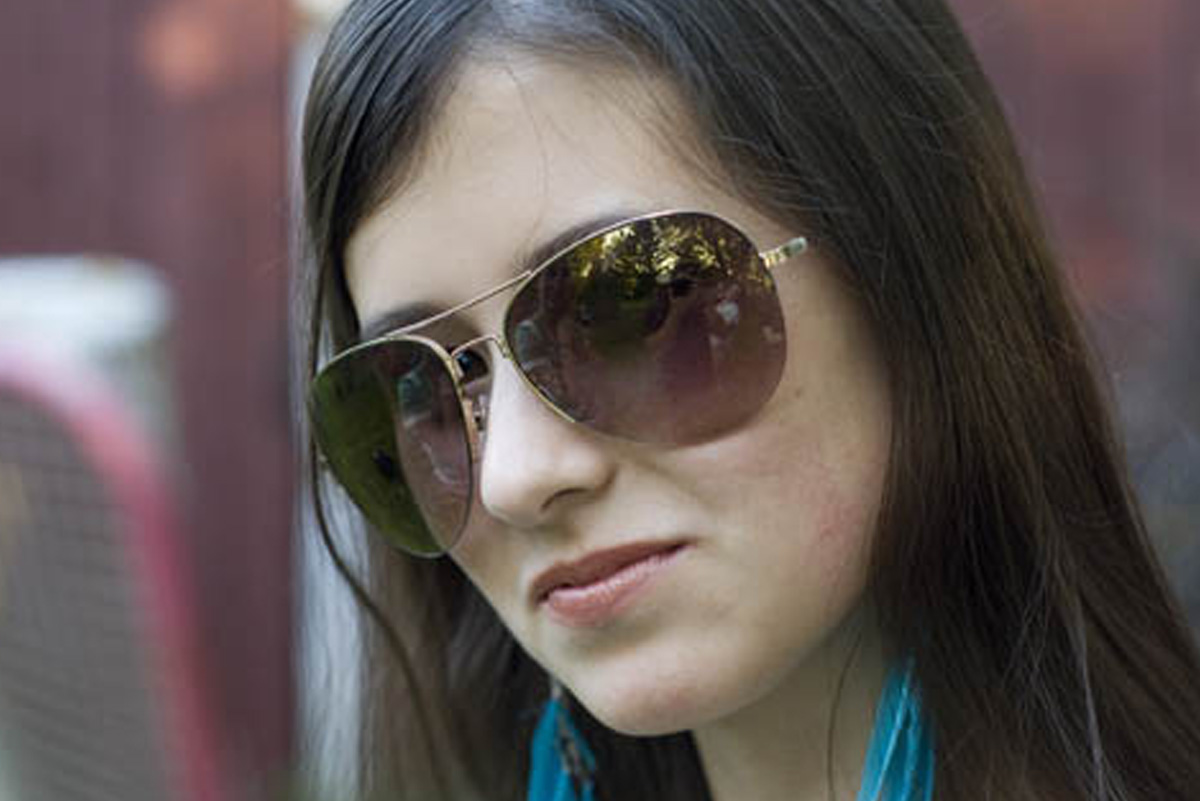
When it comes to female eye health, the statistics are eye-opening — according to the Women’s Eye Health Organization, nearly two-thirds of blindness and vision impairment occur in women. In Lincoln, and across the country, women face a higher risk of developing certain eye diseases, partly because they tend to live longer than men. However, most vision loss is preventable through good lifestyle habits, early detection, and regular eye care.
Understanding the risks unique to women — and knowing how to improve eye health — can help protect your vision for years to come.
Why Women Are at Higher Risk for Eye Problems
While longevity is one factor, hormonal changes, pregnancy, menopause, and autoimmune conditions also play major roles in female eye health. Women are more prone to:
- Dry eyes, especially after menopause or while taking birth control
- Autoimmune eye diseases, such as Sjögren’s syndrome or lupus
- Cataracts and glaucoma, often linked to aging and hormonal changes
- Age-related macular degeneration (AMD), a leading cause of blindness in older women
Environmental and lifestyle factors — such as UV exposure, smoking, and poor nutrition — can further increase these risks. The good news? Many of these conditions can be prevented or managed with consistent care and healthy habits.
1. Cataracts: Common and Treatable
Cataracts cause cloudiness in the eye’s natural lens, leading to blurred vision, glare sensitivity, and difficulty seeing at night. While they are often age-related, women are more likely than men to develop them due to hormonal and metabolic factors.
Cataracts don’t form overnight — they develop slowly over time. Regular eye exams can detect them early, and treatment options range from stronger eyewear prescriptions to simple outpatient surgery, which has a high success rate.
To help reduce your risk:
- Wear UV-protective sunglasses outdoors.
- Avoid smoking and limit alcohol consumption.
- Eat foods rich in antioxidants like spinach, carrots, and citrus fruits.
2. Dry Eyes: A Common but Manageable Condition
Dry eye disease is one of the most frequent complaints among women visiting their eye doctor. It occurs when the eyes don’t produce enough tears or the tears evaporate too quickly. This can cause itching, burning, irritation, and even blurred vision.
Hormonal changes during pregnancy, menopause, or from s like Sjögren’s syndrome — which affects tear and saliva production — are significantly more common in women.
There are many ways to improve eye health and manage dryness:
- Use artificial tears or lubricating ointments as needed.
Stay hydrated and use a humidifier at homeusing oral contraceptives can worsen dry eyes. Additionally, autoimmune condition.
- Follow a diet high in omega-3 fatty acids (found in salmon, flaxseed, and walnuts).
- Protect your eyes from wind and dry environments.
If your symptoms persist, talk to your eye doctor about advanced treatments like anti-inflammatory drops or punctal plugs.
3. Glaucoma and Macular Degeneration: Silent Threats
Both glaucoma and macular degeneration are more prevalent in women, especially those over 60. These diseases often progress silently until significant vision loss occurs.
For glaucoma, increased eye pressure damages the optic nerve, while AMD affects the macula — the part of the retina responsible for central vision. Factors such as genetics, age, and smoking elevate your risk.
The best prevention? Routine eye exams that include pressure checks and retinal imaging. Early detection can preserve your sight and prevent long-term damage.
4. Pregnancy and Female Vision Changes
Pregnancy brings about many changes in the body, including vision fluctuations. Hormonal shifts can temporarily alter your prescription, cause puffiness around the eyes, or lead to dry eyes. In some cases, women with gestational diabetes may experience blurred vision or early signs of diabetic eye disease.
If you’re pregnant, it’s still safe to have a routine eye exam, but note that your prescription might not stabilize until several weeks after childbirth or nursing. For contact lens wearers, switching to glasses for a few months may be more comfortable.
How Women Can Improve Eye Health Every Day
Good vision begins with consistent eye care and healthy habits. Here are simple, effective ways to protect your female vision:
- Eat a balanced diet rich in vitamins C, E, and zinc.
- Get plenty of sleep to prevent eye strain.
- Quit smoking and limit alcohol consumption.
- Stay active — regular exercise improves blood circulation to the eyes.
- Take breaks from digital screens using the 20-20-20 rule.
- Wear UV-blocking sunglasses outdoors.
- Schedule comprehensive eye exams annually.
Even if your vision feels fine, yearly eye exams are crucial for catching early signs of eye disease before symptoms appear.
Protect Your Eyes, Protect Your Future
Women’s vision health deserves special attention at every stage of life. Whether you’re managing dry eyes, noticing blurred vision, or simply looking for ways to improve eye health, early intervention is key to preventing long-term problems.
At Eyeson Group, we’re proud to care for women’s unique vision needs across Lincoln, Cranston, Randolph, and Worcester. Schedule your comprehensive exam today and take the first step toward stronger, clearer, and healthier eyes.