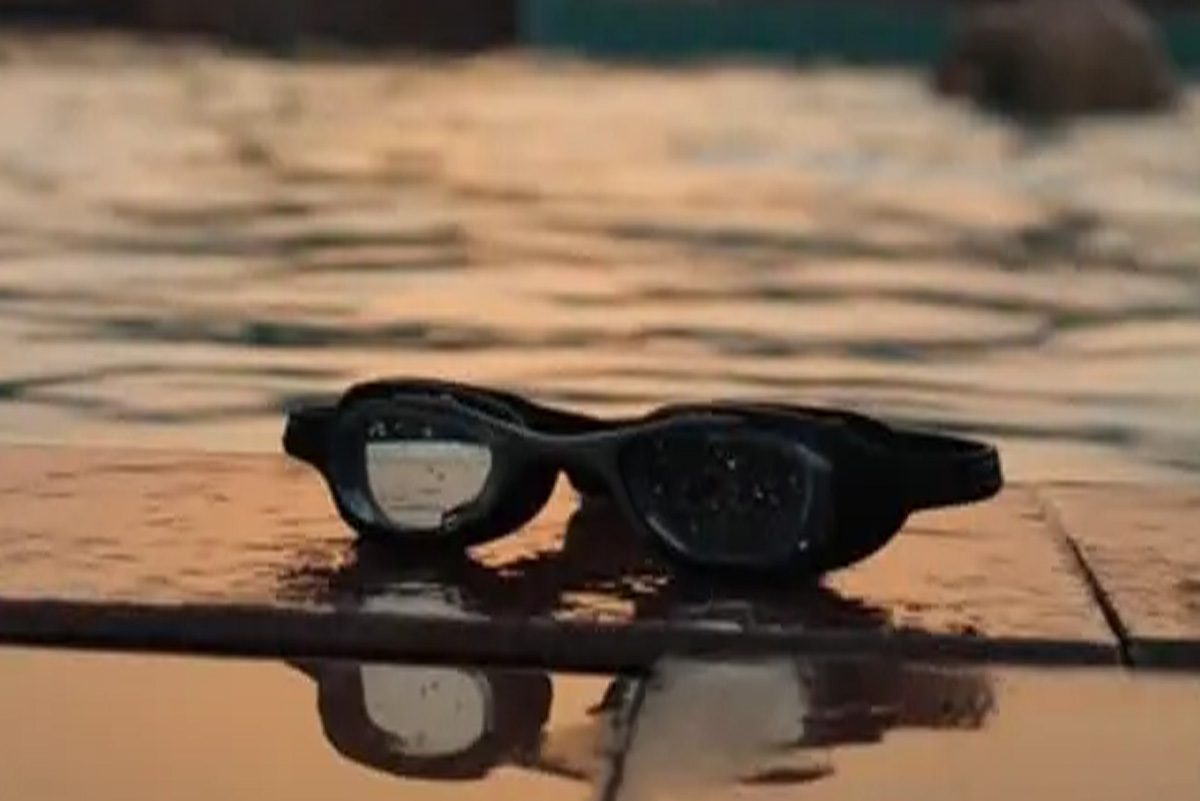
Summer is the perfect time to hit the pool or enjoy the beach, but if you live in Randolph, you’ve likely experienced foggy eyes after swimming or blurred vision after swimming. Even if the water looks clean, chlorinated pools, saltwater, or accidental contact with sand can irritate your eyes. Understanding how swimming affects your eyes and taking preventive steps is essential for maintaining healthy vision.
Why Swimming Can Cause Blurry Vision
- Chlorine and Pool Chemicals: Chlorine is used to sanitize pools, but it can strip away the natural tear film on your eyes, leading to dryness, irritation, redness, and blurry vision. Even brief exposure to chlorinated water can make it difficult to open your eyes fully or see clearly.
- Saltwater and Sand: Ocean water contains salt and other minerals that can cause stinging and redness. Sand particles can scratch the cornea, causing discomfort or even a corneal abrasion.
- Contact Lenses in Water: Wearing lenses while swimming increases the risk of serious infections, such as Acanthamoeba keratitis, which can lead to ulcers or permanent vision loss. Contact lenses trap bacteria and microorganisms against the cornea, bypassing the eye’s natural defenses.
- Light Refraction in Water: Water refracts light differently than air, making objects appear larger or closer. This can cause temporary visual distortion unless you wear properly fitted swim goggles.
How to Protect Your Eyes While Swimming
- Wear Goggles: The most effective way to prevent foggy eyes and protect your vision is to wear well-fitting swim goggles. Look for features recommended by Randolph eye doctors:
- Prescription lenses for vision correction
- Shatterproof and anti-fog coatings
- Leak-proof design with a comfortable seal
- Built-in UV protection
- Polarized lenses for glare reduction
- Low-profile frames for competitive swimming
- Use Daily Disposable Contacts: If you must wear contacts while swimming, opt for daily disposables. Dispose of them immediately after leaving the water and rinse your eyes with sterile artificial tears to remove chlorine or salt residue.
- Never Open Eyes Underwater with Contacts: Avoid exposing your eyes to water while wearing lenses, as this significantly increases the risk of infection.
- Remove Lenses Before Resting Poolside: Even brief naps with lenses in can lead to dryness, irritation, or contamination.
- Rinse and Hydrate: After swimming, rinse your eyes with clean water or preservative-free eye drops. Lubricating drops can restore moisture and help eliminate any lingering irritants.
Tips for Beachgoers
- UV Protection: Sunglasses with 100% UVA and UVB protection shield your eyes from reflected sunlight. Wraparound styles provide the best protection.
- Avoid Sand Irritation: Wear protective eyewear during sports or activities on the sand. Sand can cause scratches and increase your risk of infection.
- Hydration and Breaks: Keep your eyes healthy by staying hydrated and giving them occasional rest from bright sunlight and water exposure.
When to See an Eye Doctor
If you experience persistent redness, pain, blurry vision, sensitivity, discharge, or irritation after swimming, contact your eye doctor immediately. These could be signs of infection, corneal abrasions, or other eye conditions that require prompt attention.
At Eyeson Group, our Randolph optometrists provide guidance on safe contact lens use, prescription swim goggles, and ways to protect your eyes in water. We can also perform regular eye exams to ensure your vision remains healthy.
Whether you’re swimming for leisure, training, or just cooling off in the summer, taking these steps will help you enjoy crystal-clear vision while keeping your eyes safe. Residents in Worcester, Randolph, Lincoln, and Cranston can rely on us for comprehensive eye care and advice on protecting your vision in any water environment.