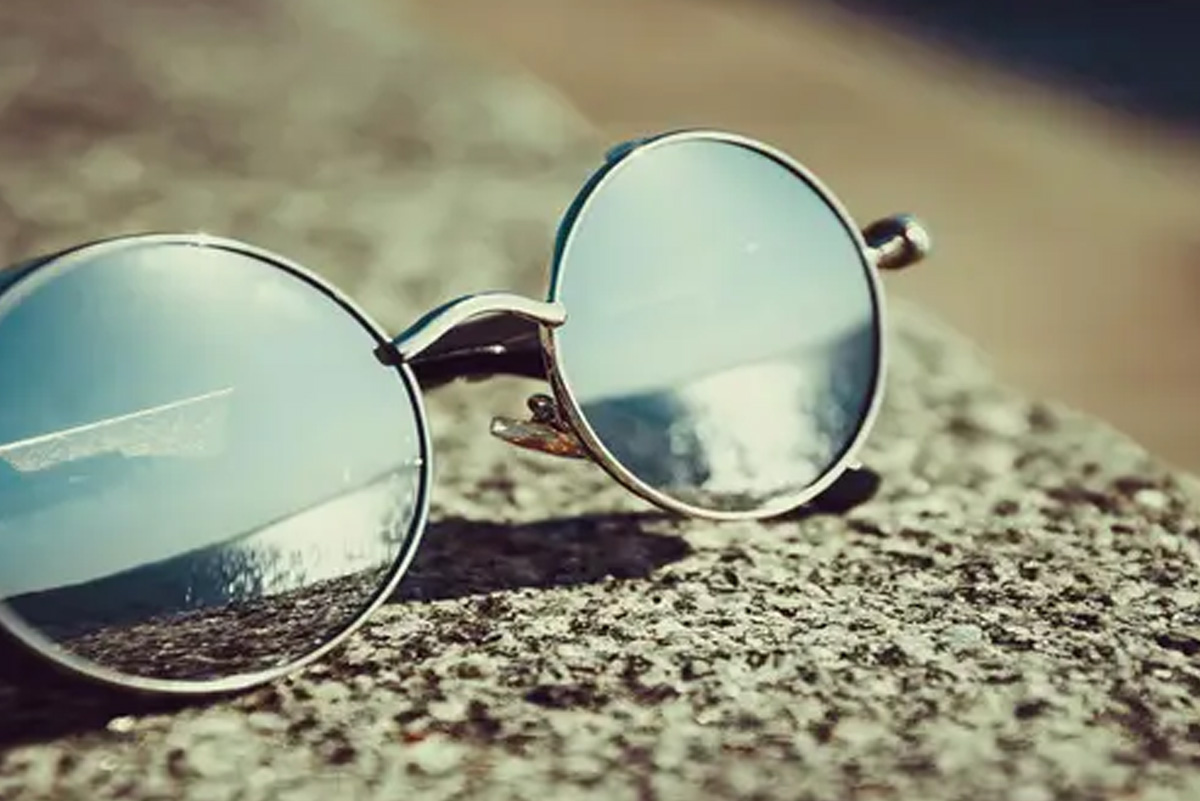
Summer beach days are some of the most enjoyable times of the year, but Randolph residents know that long hours in the sun, sand, and saltwater can take a toll on their eyes. If you’ve ever returned from a day at the beach with burning, red, or itchy eyes, you’re not alone. Many people underestimate how much environmental factors like UV rays, wind, sand, and saltwater can impact eye health. Understanding why your eyes feel irritated, the risks involved, and how to protect them is essential for maintaining healthy vision while enjoying the sun.
Why Your Eyes Burn at the Beach
Several factors contribute to red, irritated, or burning eyes during and after a beach visit:
- UV Exposure: Prolonged exposure to the sun’s ultraviolet (UV) rays can damage the delicate tissues of your eyes. Over time, this can contribute to photokeratitis (essentially a sunburn of the cornea), cataracts, and age-related macular degeneration. Even cloudy days can expose your eyes to harmful UV rays, as up to 80% of sunlight passes through clouds.
- Reflected Sunlight: Sand and water reflect UV rays, increasing the amount of light entering your eyes. This glare can be uncomfortable and may temporarily impair vision.
- Saltwater Irritation: Chlorine in pools and salt in ocean water can strip away natural tear film, leaving eyes dry and itchy. This is especially concerning for contact lens wearers, as bacteria can get trapped under the lens, leading to infection.
- Wind and Debris: Strong winds can carry sand, dust, and other irritants into your eyes, potentially causing scratches or corneal abrasions.
- Sunscreen and Lotions: Sunscreen, tanning oils, and other cosmetic products can accidentally enter the eyes and cause a stinging sensation. Even small amounts can lead to temporary irritation.
- Prolonged Digital Device Use: Many beachgoers spend time scrolling on phones, tablets, or e-readers. Combined with bright sunlight, this can exacerbate digital eye strain, leading to dryness, fatigue, and blurry vision.
Common Symptoms of Eye Irritation at the Beach
- Red or bloodshot eyes
- Itchy or burning sensations
- Grittiness or feeling like something is in your eye
- Tearing or watery eyes
- Sensitivity to light
- Temporary blurred vision or halos
- Eyelid twitching
These symptoms are typically temporary but can become serious if your eyes are exposed repeatedly without protection.
How to Protect Your Eyes at the Beach
Protecting your eyes while enjoying the sun is crucial. Here are some essential steps recommended by Eyeson Group optometrists:
- Wear Sunglasses: Look for 100% UVA and UVB protection. Wraparound frames shield your eyes from sunlight entering from the sides, while polarized lenses reduce glare from reflective surfaces like sand and water. Prescription sunglasses can protect those who normally need corrective lenses.
- Use Surf Goggles or Swim Goggles: If swimming in saltwater or chlorinated pools, wear goggles. This prevents irritants from coming into contact with your cornea and keeps contact lenses safe from bacteria.
- Hats Are Essential: A wide-brimmed hat blocks direct sunlight from reaching your eyes and reduces UV exposure to the surrounding skin. Combine hats with sunglasses for maximum protection.
- Take Breaks from Sun Exposure: Avoid being in direct sunlight during peak hours, generally 10 a.m. to 3 p.m. Seek shade whenever possible, and reapply sunscreen carefully to avoid contact with your eyes.
- Stay Hydrated: Dehydration can contribute to dry eyes. Drink plenty of water to maintain healthy tear production.
- Artificial Tears and Eye Drops: Carry preservative-free lubricating eye drops to restore moisture after long hours under the sun. They can relieve dry eyes and reduce irritation from wind and sand.
- Proper Contact Lens Hygiene: Remove daily lenses before swimming and use daily disposables if you plan to wear them at the beach. Never attempt to rinse lenses with ocean or pool water. Always wash hands before inserting or removing lenses.
- Avoid Rubbing Your Eyes: Rubbing can worsen irritation, scratch the cornea, and increase infection risk. Instead, rinse with sterile saline or use artificial tears for relief.
Conditions Related to Beach Exposure
- Photokeratitis: Often called “sunburned eyes,” this condition is caused by UV damage and leads to pain, tearing, redness, and temporary blurred vision.
- Pterygium (“Surfer’s Eye”): A benign growth on the eye’s surface, caused by repeated UV exposure. It can lead to irritation and, in rare cases, affect vision.
- Corneal Abrasions: Tiny scratches from sand, debris, or accidental pokes can lead to infection if untreated.
- Eye Infections: Contact lenses, saltwater, and bacteria increase the risk of bacterial or viral infections.
Planning for a Safe Beach Trip
- Pack UV-blocking sunglasses, protective hats, and artificial tears.
- Educate children about the dangers of rubbing their eyes.
- Use swim goggles if you wear contacts.
- Consider screen-free breaks for digital device use to reduce eye strain.
- Watch for signs of eye injury, infection, or persistent irritation — and consult your eye doctor promptly.
Keep Your Vision Safe Year-Round
For families in Worcester, Randolph, Lincoln, and Cranston, Eyeson Group provides comprehensive eye exams and guidance on protecting your eyes from environmental hazards. From sunglasses recommendations to contact lens advice, our optometrists ensure your eyes stay healthy and comfortable, whether you’re at the beach or enjoying other outdoor activities.
Schedule your eye exam today to learn more about protecting your vision and addressing any irritation or concerns before they become serious issues.