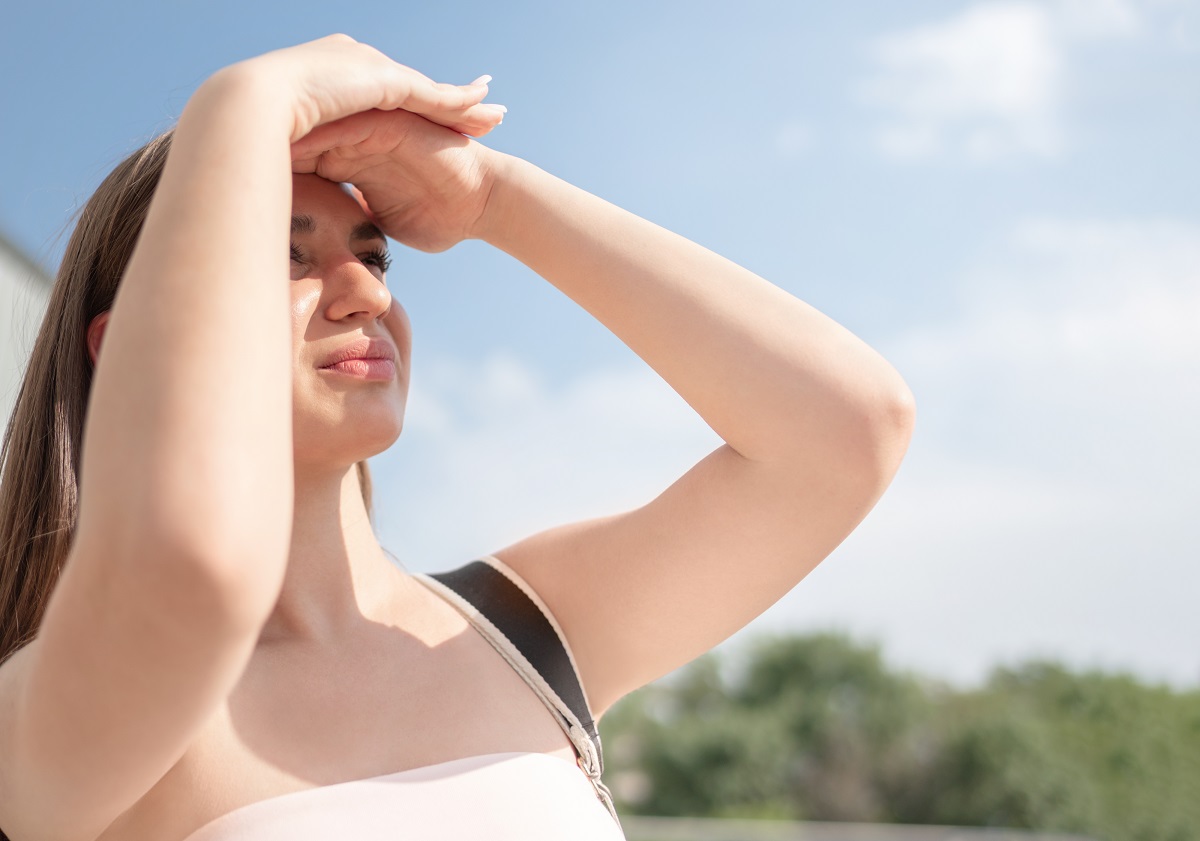
Most people know the sun can burn their skin. Far fewer realize it’s doing the same thing to their eyes, just more slowly and without the obvious warning signs. Sunlight eye damage builds over years of ordinary exposure, during morning commutes, weekend hikes, and afternoons in the garden, long before most people notice anything is wrong.
Understanding how UV rays affect eyes and what actually protects them is more practical than most eye health conversations make it sound. Here’s what’s worth knowing.
How Sun Exposure Affects Eye Health
What UV Radiation Actually Does to Your Eyes
Ultraviolet radiation from the sun falls into two categories that matter for eye health: UVA and UVB. Both reach your eyes on clear days, and both pass through cloud cover to varying degrees.
UVB rays primarily affect the surface of the eye, targeting the cornea and the outer lens. UVA rays penetrate deeper, reaching the internal lens and, over time, contributing to changes in the retina. Neither type causes immediate pain in most situations, which is part of why the damage goes unnoticed until it compounds.
The eye does have some natural defenses. The cornea and lens absorb UV radiation before it reaches the retina, functioning as a built-in filter. The trade-off is that those structures absorb the damage themselves and degrade over time as a result.
Why Cloudy Days Still Count
Cloud cover blocks visible light much more effectively than it blocks UV radiation. On an overcast day, up to 80% of UV radiation still reaches ground level. Many people skip eye protection when it’s not sunny, which is exactly when cumulative exposure quietly adds up over weeks and months.
Seasonal habits matter here. Consistent protection throughout the year, not just during summer, is what actually limits long-term sunlight eye damage.
Common Signs of Sun-Related Eye Damage
Short-term UV overexposure produces recognizable symptoms that most people don’t immediately connect to the sun. These include:
- Eye irritation and redness after extended time outdoors
- Excessive tearing as the eye attempts to flush irritants
- Sensitivity to light, particularly after bright reflective environments
- Blurred vision or a gritty sensation in the hours following sun exposure
- Temporary vision disturbances, including halos around lights
These symptoms are often dismissed as tiredness or screen fatigue. When they follow time outdoors, UV exposure is the more likely cause and a signal worth taking seriously.
Long-Term Risks of UV Rays on Eyes
Photokeratitis
This is a corneal sunburn caused by intense UV exposure, typically from snow, water, or direct sunlight without protection. Symptoms appear 6 to 12 hours after exposure and include pain, redness, light sensitivity, and temporary vision blurring. It resolves on its own, but repeated episodes cause cumulative corneal stress.
Cataracts
The lens inside the eye gradually clouds as UV radiation degrades the proteins that keep it clear. UV exposure is one of the most well-documented accelerators of cataract formation. The World Health Organization has estimated that a significant percentage of cataracts globally are attributable to UV exposure over a lifetime.
Retinal Damage and Macular Degeneration
Long-term UV and high-energy visible light exposure is associated with increased risk of age-related macular degeneration (AMD), a condition that progressively impairs central vision. The retina has no ability to repair itself once damaged, which makes prevention the only effective strategy.
Accelerated Eye Aging
Beyond specific conditions, general UV exposure accelerates the aging of eye tissues, including the conjunctiva and the delicate skin surrounding the eye. Pterygium, a fleshy tissue growth on the eye surface that can affect vision and cause persistent discomfort, is strongly associated with long-term UV exposure.
High-Risk Environments You Might Not Expect
Some environments intensify UV exposure significantly beyond what direct overhead sunlight produces on its own.
Beaches and sandy areas reflect up to 17% of UV radiation back toward your face. Snow is far more reflective, bouncing back up to 80% of incoming UV, which is why skiing without proper eye protection causes rapid corneal damage. Water surfaces reflect 10 to 30% depending on angle and conditions.
High-altitude locations expose you to stronger UV because the atmosphere is thinner and filters less radiation. Every 1,000 meters of elevation increases UV exposure by roughly 10 to 12%.
Everyday driving is an underappreciated risk. Car windshields block most UVB but allow significant UVA transmission. Side windows in most vehicles offer very little UV protection at all.
Protective Eyewear: What to Look For
UV-Blocking Sunglasses
The only label that guarantees full protection is UV400 or 100% UV protection. This means the lenses block all light wavelengths up to 400 nanometers, covering the complete UVA and UVB spectrum. Lens darkness provides no indication of UV filtration. Always check the label before buying.
Wraparound frames offer the best coverage by limiting UV entry from the sides. For high-reflectivity environments like water or snow, polarized UV400 lenses reduce glare and eye strain while maintaining full UV protection.
Designer Sunglasses Done Right
Style and protection aren’t mutually exclusive, but they require a little attention. Many designer sunglasses at reputable optical retailers combine premium aesthetics with certified UV400 lenses. The key is buying from trusted sources and verifying the UV rating rather than assuming that a high price guarantees protective lenses.
Well-chosen designer sunglasses from a certified optical retailer give you both the look you want and the protection your eyes need.
Best Prescription Sunglasses for Vision Correction
If you wear corrective lenses, standard sunglasses worn over contacts or squinting through uncorrected vision aren’t adequate long-term solutions. The best prescription sunglasses offer full UV400 protection built directly into corrective lenses, so you maintain clear vision and full UV coverage simultaneously.
Photochromic lenses, which darken automatically in UV light, are another option for people who prefer a single pair that transitions between indoor and outdoor environments. Speak with an eye care professional to identify which format suits your prescription and lifestyle best.
Prevention Tips You Can Apply Right Now
Choose UV400 sunglasses and wear them consistently, not just on bright summer days. This single habit has the largest impact on reducing cumulative UV exposure over a lifetime.
Add a wide-brimmed hat for extended outdoor time. A 3-inch brim reduces UV reaching the eyes by up to 50%, even with sunglasses on.
Limit unprotected exposure between 10 a.m. and 4 p.m., when UV index levels peak. If you’re outdoors during those hours regularly, consistent protective eyewear is non-negotiable.
Protect children early. Kids receive more cumulative UV exposure over their lifetime than adults because of how much time they spend outdoors. UV-protective eyewear and hats should be part of their outdoor routine from a young age.
Schedule regular eye exams. Many UV-related changes are asymptomatic until they’ve progressed significantly. Routine exams catch early cataract formation, retinal changes, and other UV-related developments before they affect daily vision.
Use best prescription sunglasses if you require vision correction. Wearing standard sunglasses over contacts or skipping protection because you need corrective lenses removes a critical layer of defense.
Frequently Asked Questions
Does UV exposure affect eyes differently by skin tone?
UV eye damage affects people of all skin tones equally. Unlike UV-related skin changes, which vary with melanin levels, UV radiation affects the eye’s internal structures regardless of pigmentation.
Can UV damage to eyes be reversed?
Most UV eye damage is not reversible. Cataracts can be surgically corrected once they form, but retinal changes and corneal degradation from long-term exposure are generally permanent. Prevention is significantly more effective than treatment.
Is UV exposure through a car window a real concern?
Yes. Standard car side windows block very little UVA radiation. Regular drivers accumulate meaningful UV exposure over years, particularly on the left side of the face and the left eye in countries where drivers sit on the left. UV-filtering window film and sunglasses both help.
When should I have my sunglasses replaced?
Every two to three years with regular use, or sooner if lenses are scratched. Visible scratches compromise the UV coating and optical quality. If you can’t see clearly through them, the protective function is likely degraded too.
Protect Your Eyes Before the Damage Shows
Sunlight eye damage doesn’t send obvious signals until it’s been building for years. The conditions it contributes to, including cataracts, retinal degeneration, and corneal changes, develop slowly and quietly.
Protecting your eyes from UV rays doesn’t require a complicated routine. Consistent UV400 eyewear, sensible habits around peak sun hours, and regular professional eye exams cover most of the risk. If you need vision correction, investing in the best prescription sunglasses removes the trade-off between seeing clearly and protecting your eyes.
Explore professional eye care resources, protective eyewear options including designer sunglasses with certified UV protection, and guidance tailored to your vision at The Eyes On Group. Your eyes are worth the attention now, while prevention still makes a difference.