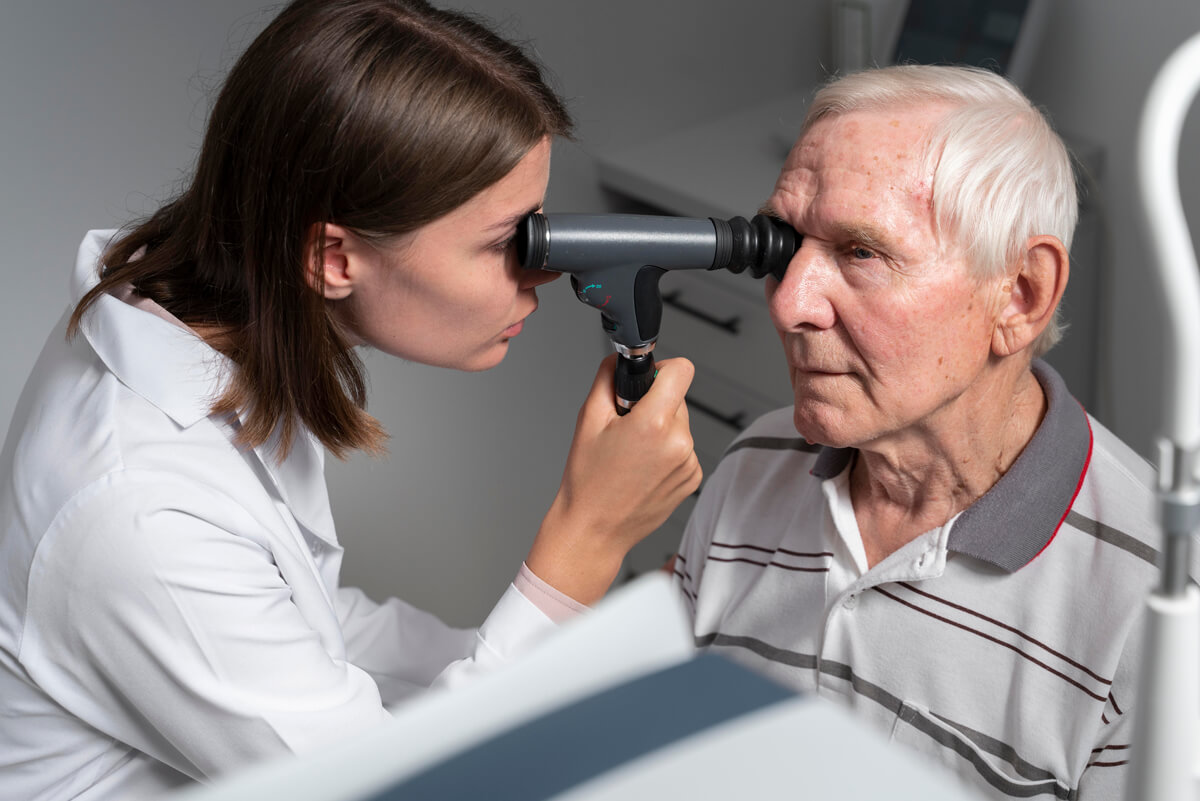
In Cranston, one of the most common age-related eye conditions affecting adults over 50 is cataracts—a clouding of the eye’s natural lens that causes blurry or hazy vision. While cataracts are often associated with aging, factors such as UV exposure, smoking, diabetes, and certain medications can also speed up their development. Recognizing early-stage cataract symptoms and knowing when to seek treatment can make all the difference in protecting your eyes and maintaining clear, comfortable vision for years to come.
What Are Cataracts?
A cataract occurs when the normally clear lens of your eye becomes cloudy, blocking or distorting light as it passes to the retina. This leads to blurred, faded, or dimmed vision. Cataracts develop gradually, and many people don’t notice symptoms until the condition begins to interfere with daily activities such as reading, driving, or recognizing faces.
Common Cataract Symptoms
The early signs of cataracts can be subtle but become more noticeable over time. Watch for these key symptoms:
- Cloudy, blurry, or dim vision
- Increased sensitivity to light or glare
- Difficulty seeing at night
- Colors appear faded or yellowed
- Double vision in one eye
- Frequent changes in eyeglass prescription
If you begin experiencing any of these cataract symptoms, it’s important to schedule a comprehensive eye exam. Cataracts can develop in one or both eyes, and the progression rate varies from person to person.
What Age Do Cataracts Start?
While cataracts are most commonly seen in individuals over 60, early stage cataracts can begin developing as early as your 40s or 50s. In younger adults, cataracts may also result from injury, medication use (like corticosteroids), or medical conditions such as diabetes.
According to the National Eye Institute, by the age of 75, nearly half of Americans will have developed some degree of cataract formation. This makes cataracts one of the most common eye diseases associated with aging.
Treatment Options for Cataracts
In the early stages, cataracts can often be managed without surgery. Adjusting your glasses prescription, using brighter lighting, and wearing UV-protective sunglasses can help improve vision and slow progression.
However, when vision loss starts to impact your quality of life, cataract surgery becomes the most effective treatment. During this quick and painless procedure, the cloudy lens is replaced with a clear artificial lens, restoring sharp, bright vision.
Modern cataract treatments are safe and highly successful — with over 90% of patients regaining excellent vision after surgery.
How to Prevent or Slow Cataract Progression
While cataracts can’t always be prevented, lifestyle changes and proactive eye care can delay their development:
- Protect your eyes from UV rays with high-quality sunglasses.
- Maintain a balanced diet rich in antioxidants like lutein and zeaxanthin.
- Quit smoking and limit alcohol consumption.
- Manage chronic conditions like diabetes and hypertension.
- Schedule routine eye exams to detect early signs of cataracts or other common eye diseases.
Preserve Your Vision with Expert Cataract Care
Cataracts may be common, but they don’t have to compromise your vision. Early detection, smart lifestyle choices, and professional care can help you maintain clear eyesight for years to come.
At Eyeson Group, our eye care professionals specialize in the diagnosis, monitoring, and treatment of age-related cataracts. Whether you’re in the early stages or considering surgery, we’re here to guide you through every step of your care journey.
Visit us in Cranston, Lincoln, Randolph, or Worcester to learn more about cataract treatment options and long-term strategies for protecting your eyes and preserving your sight.