Burning, Itchy, Tired Eyes? Relief Starts Here
Our personalized dry eye treatments target the root cause—so you can get lasting comfort and clear vision, not just temporary relief.

Dry Eye Treatment in Worcester, Randolph, Lincoln, and Cranston
Dry eye disease can cause irritation, redness, and blurry vision. Our treatments range from lubricating drops to advanced therapies like punctal plugs and prescription medications. We’ll help you find lasting relief and comfort.
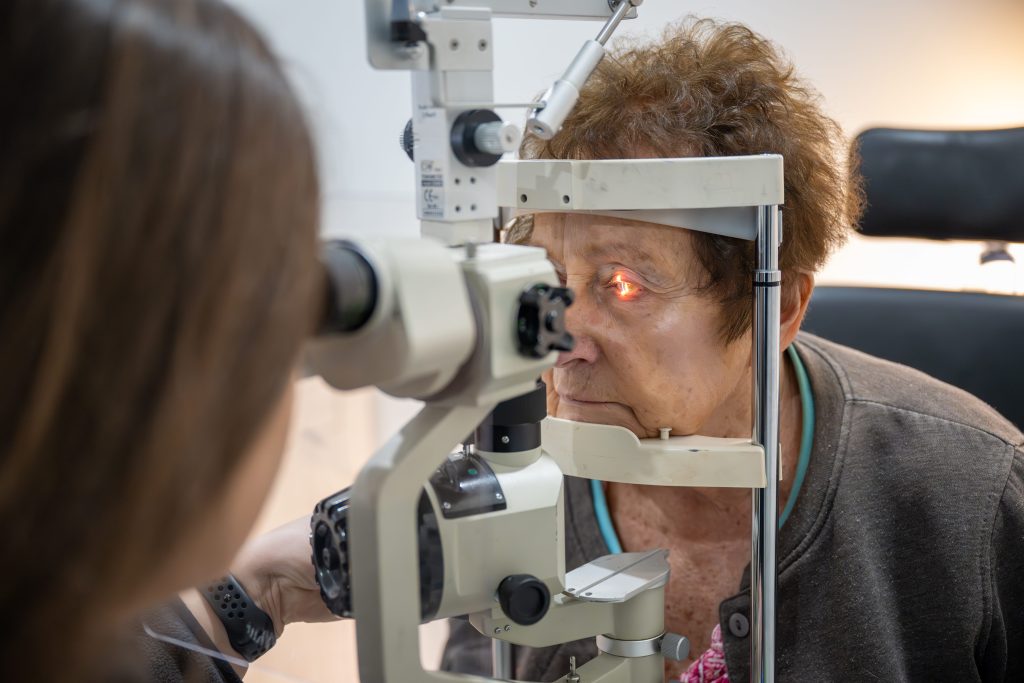
Understanding Dry Eye Syndrome
Dry Eye Syndrome occurs when your eyes don’t produce enough tears or when the tears lack the right balance of water, oil, and mucus to keep your eyes well-lubricated. Left untreated, this condition can cause discomfort, blurry vision, and even long-term damage to your eyes.
Common Symptoms of Dry Eye Syndrome:
- Dryness or itchiness
- Redness and irritation
- Blurry or fluctuating vision
- Burning or stinging sensation
- Watery eyes (a reaction to dryness)
- Feeling like something is stuck in the eye
If these symptoms sound familiar, it’s time to consult a dry eye specialist for a comprehensive evaluation.
Dry eye can result from a variety of factors, including:
- Hormonal changes: Common during pregnancy, menopause, or while using contraceptives.
- Age: Risk increases significantly after age 50.
- Environmental conditions: Wind, dry air, or prolonged screen use can exacerbate symptoms.
- Medications: Antidepressants, antihistamines, and blood pressure medications can reduce tear production.
- Medical conditions: Thyroid disorders, diabetes, and autoimmune diseases like Sjögren’s syndrome or rheumatoid arthritis.
- Post-LASIK Surgery: Some patients experience temporary or chronic dry eye after LASIK procedures.
Proper diagnosis is essential for effective treatment. At our offices, we utilize cutting-edge diagnostic tools, including:
- Tear Break-Up Time Test (TBUT): Measures how quickly your tears evaporate.
- Schirmer Test: Determines tear production levels using a small filter paper strip.
- Meibomian Gland Imaging: Assesses oil gland functionality for patients with evaporative dry eye.
- TearLab Osmolarity Test: Evaluates tear quality by measuring salt concentration.
We offer a range of personalized treatments to address the root cause of your dry eye symptoms:
- Prescription Medications
- Restasis®, Xiidra®, and Cequa® to reduce inflammation and improve tear production.
- Punctal Plugs
- Tiny devices inserted into the tear ducts to prevent tear drainage, maintaining moisture on the eye surface.
- Advanced Supplements
- Omega-3 fatty acids and other supplements to support eye health.
- Amniotic Membranes
- Used to promote healing and reduce inflammation in severe cases of dry eye.
For patients with chronic dry eye or complex cases linked to conditions like thyroid disease or post-LASIK dry eye, our dry eye doctors create individualized care plans. These may include a combination of therapies to restore eye health and improve quality of life.
- Use a humidifier to add moisture to the air.
- Take frequent breaks during screen use (follow the 20-20-20 rule: look 20 feet away for 20 seconds every 20 minutes).
- Avoid smoking and exposure to smoke.
- Wear protective glasses in windy or dry conditions.
- Stay hydrated and eat foods rich in omega-3 fatty acids.
At our offices in Worcester, Randolph, Lincoln, and Cranston, we offer:
- Comprehensive dry eye exams and advanced diagnostic tools.
- Access to the latest treatments for dry eye syndrome.
- Compassionate care from experienced dry eye specialists.
Don’t let dry eye syndrome disrupt your daily life. Whether you’re looking for relief from chronic dry eye, exploring contacts for dry eyes, or seeking expert advice on thyroid-related dry eyes, we’re here to help. Contact our dry eye office to book your consultation and take the first step toward lasting relief.
What is dry eye disease and how do I know if I have it?
Dry eye disease is a chronic condition where your eyes do not produce enough tears or the tears evaporate too quickly, leaving your eyes irritated, red, or uncomfortable. Common signs include a gritty or burning sensation, light sensitivity, and blurry vision that comes and goes. If you are experiencing these symptoms regularly, visiting a dry eye doctor for a proper evaluation is the most reliable way to get an accurate diagnosis and explore the right treatment options.
What are the latest treatment options for dry eye syndrome?
Dry eye syndrome treatment has advanced significantly in recent years. Depending on the severity of your condition, your eye doctor may recommend prescription eye drops, in-office procedures like LipiFlow or intense pulsed light therapy, warm compresses, or nutritional support. For those with chronic dry eye or severe dry eye, a combination approach often works best. Dry eyes artificial tears can offer short-term relief, but a dry eye clinic can help identify and address the underlying cause more effectively.
Can I wear contact lenses if I have dry eye disease?
Yes, in many cases you can still wear contacts for dry eyes, though the lens type and wearing schedule may need to be adjusted. Certain contact lenses are specifically designed to retain moisture and reduce irritation for dry eye sufferers. Your eye doctor may recommend scleral lenses or daily disposable options depending on your condition. If you are based in Worcester, Randolph, Lincoln, or Cranston, a dry eye doctor can assess your tear film and recommend contacts suited to your needs.
Can thyroid conditions or LASIK surgery cause dry eye syndrome?
Both thyroid conditions and LASIK surgery are known to contribute to dry eye symptoms in some patients. Thyroid dry eyes occur because thyroid disorders can affect the glands responsible for tear production and eyelid function. Similarly, lasik dry eyes are a recognized side effect that can develop after the procedure due to temporary changes in corneal nerve sensitivity. If you are experiencing dryness linked to either condition, a dry eye clinic can help determine the most appropriate course of care.
Where can I find help for dry eyes near Worcester, Randolph, Lincoln, or Cranston?
If you are looking for help for dry eyes in the Worcester, Randolph, Lincoln, or Cranston area, The Eyes On Group offers dedicated dry eye disease evaluations and personalized treatment plans. Whether you are managing mild discomfort or dealing with severe dry eye that affects your daily life, their team can walk you through your options. Early intervention can support better outcomes and reduce the risk of long-term complications associated with untreated dry eye syndrome.